In this presentation, Anand A. Patel, MD, reviewed the contemporary standard-of-care treatment roadmap for AML in 2025, covering key phases like induction chemotherapy (eg, the “7+3” regimen), consolidation with options such as CPX-351, and the role of stem cell transplantation. He also emphasized the importance of molecular profiling and the integration of targeted therapies, such as FLT3 inhibitors, in both initial and relapse settings.
Courtney D. DiNardo, MD, clinical researcher in the Department of Leukemia, Division of Cancer Medicine at the University of Texas MD Anderson Cancer Center, discusses how potential doublet…
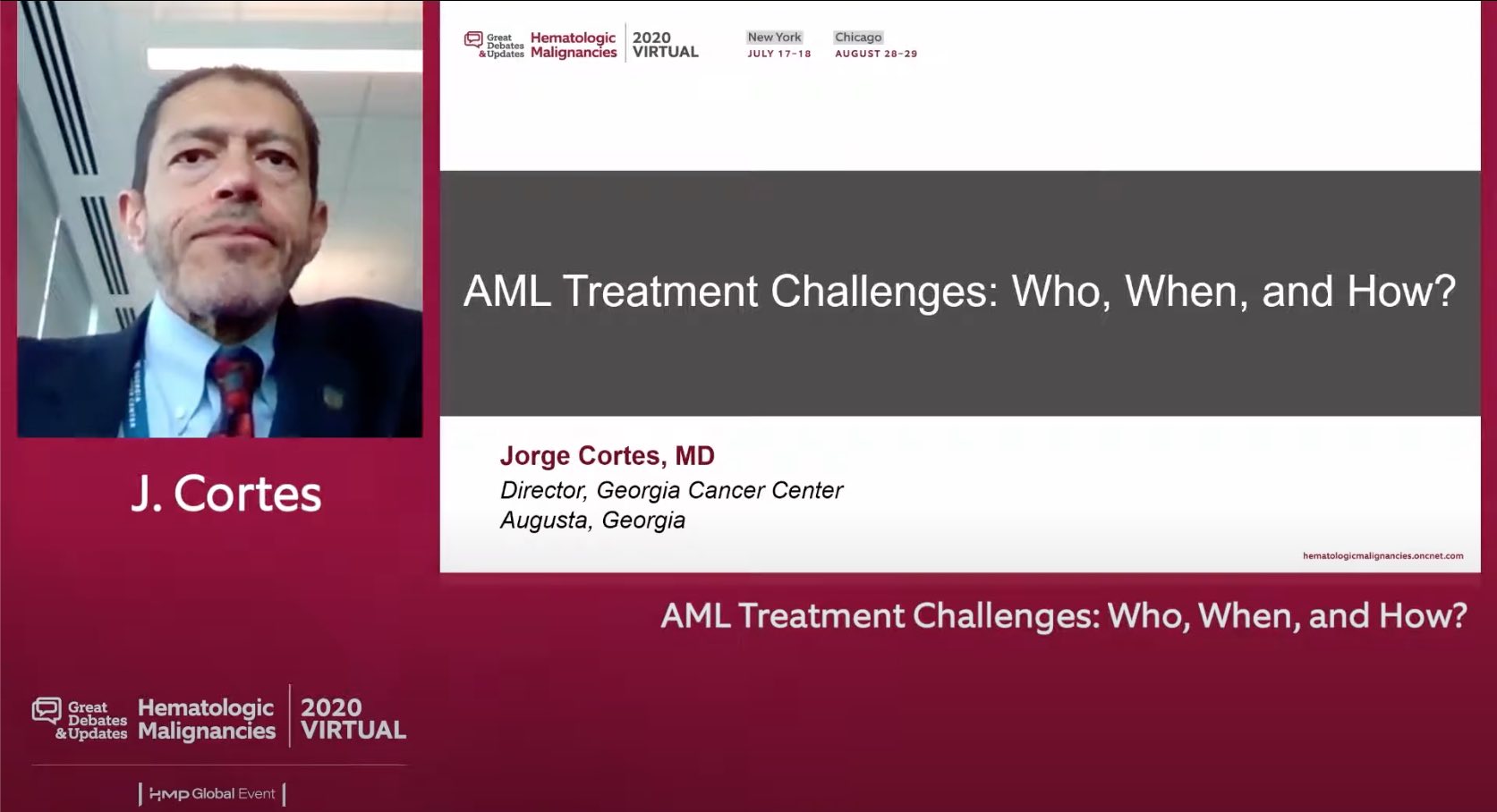
Jorge Cortes, MD, director of the Georgia Cancer Center in Augusta, GA, provides a comprehensive look at the current challenges specialists face in providing optimal treatment for patients…
Researchers from UC Davis Comprehensive Cancer Center discuss results from their recent study on long term complications adolescents and young adults face after treatment for acute myeloid leukemia…
In a presentation at the 2024 International Pathology Day virtual conference, Dr Justin Loke, CRUK/AACR Transatlantic Fellow, University of Birmingham, UK and Dana-Farber Cancer Institute, USA, explains how…
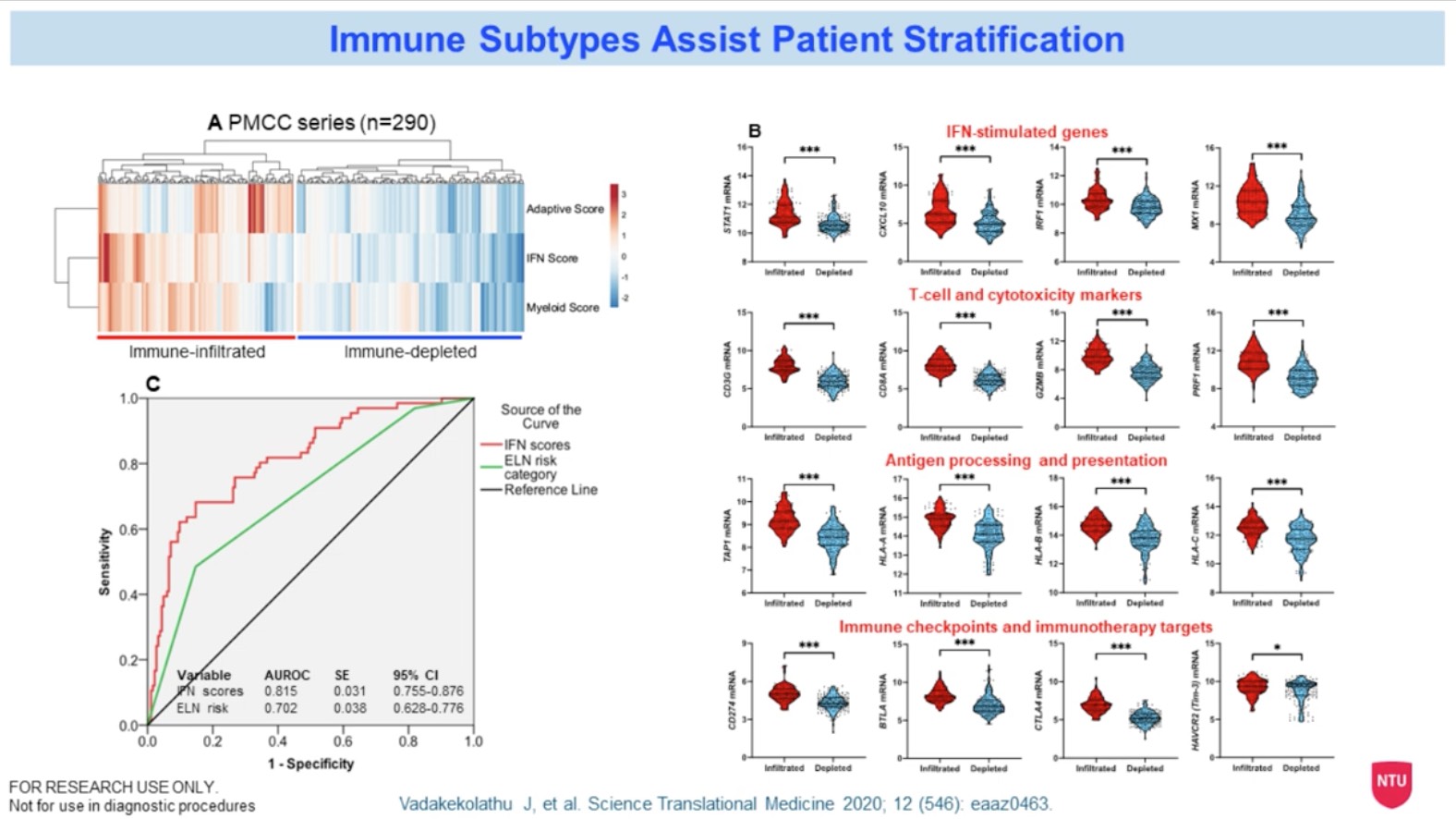
Sergio Rutella, MD, PhD, FRCPath, hematologist and professor of cancer immunotherapy at the John van Geest Cancer Research Centre, reports new findings from his work on acute myeloid…
Eunice S. Wang, MD, Roswell Park Comprehensive Cancer Center, Buffalo, New York, discusses the treatment strategies for patients who develop secondary acute myeloid leukemia (AML) following hypomethylating agent…
Harry Erba, MD, PhD, Duke University, Durham, NC; Marina Konopleva, MD, PhD, Albert Einstein College of Medicine, New York City, NY; Thomas Cluzeau, MD, PhD, Central University Hospital…
In this interview, Yousef Zakharia, MD, shares thoughts on the topic of expanding acute myeloid leukemia (AML) treatment. Dr. Zakharia discusses up-to-date AML treatments from combination trials such…
Guidelines from the American Society of Hematology (ASH) review panel recommend standards of care for individualized acute myeloid leukemia (AML) treatments. For patients with newly diagnosed AML, ASH…
Alice S. Mims, MD, of The Ohio State University’s James Comprehensive Cancer Center, provided an overview of current AML treatment options, such as FLT3 and IDH inhibitors, while…
Naval Daver, MD, The University of Texas MD Anderson Cancer Center, Houston, TX; Joshua Zeidner, MD, UNC Lineberger Comprehensive Cancer Center, Chapel Hill, NC; Eytan Stein, MD, Memorial…
Tara Lin, MD, University of Kansas Medical Center, Kansas City, Kansas, discusses how she approaches choosing induction therapy for patients with treatment-related acute myeloid leukemia, emphasizing that fitness…
Andrius Žučenka, MD, Vilnius University Hospital Santaros Klinikos, Vilnius, Lithuania, discusses the challenges and advancements in treating acute myeloid leukemia (AML) in patients who are unfit for intensive…
The American Society of Hematology (ASH) has released 2020 guidelines for treating newly diagnosed acute myeloid leukemia (AML) in older adults. Specifically, the guidelines help patients and doctors…
Courtney DiNardo, MD, MSCE, clinical researcher in the Department of Leukemia of the Division of Cancer Medicine at the University of Texas MD Anderson Cancer Center, presents promising…
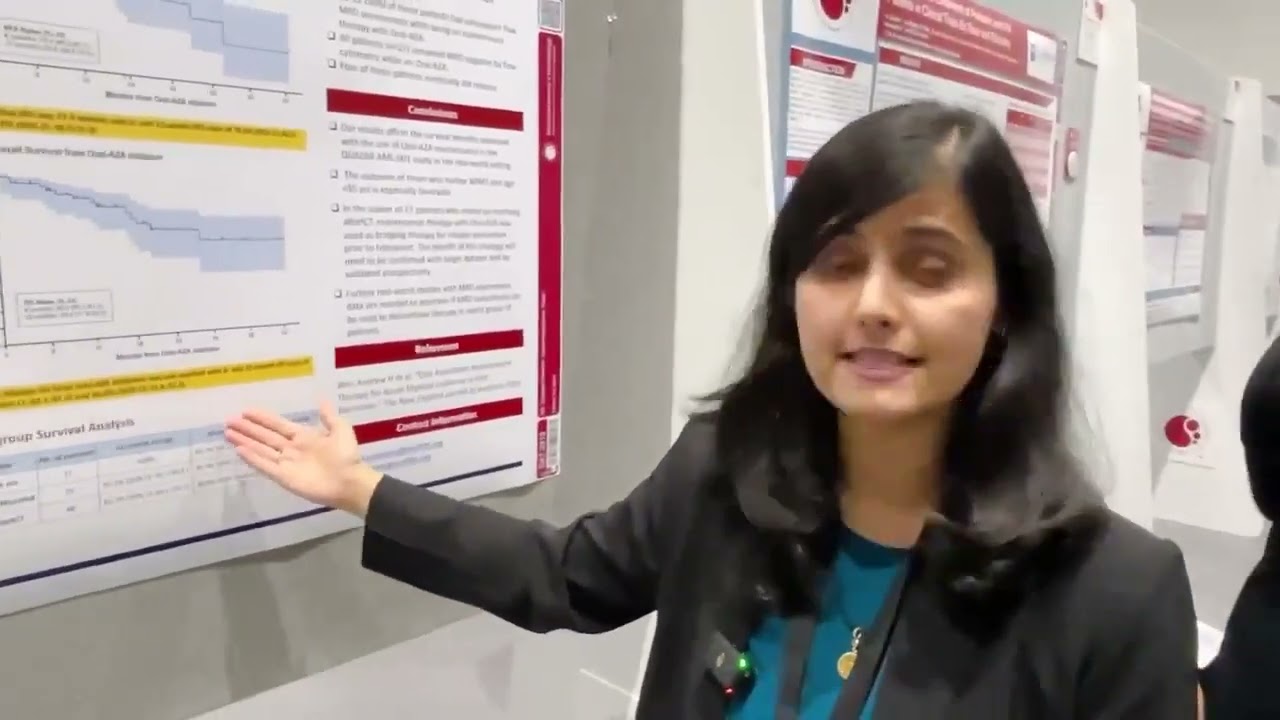
Fatima Tuz Zahra, MD, a hematology/oncology fellow at Moffitt Cancer Center, University of South Florida, Tampa, presented real-world data from a retrospective study evaluating the effectiveness of oral…
In this update, Ashley Yocum, PhD, executive research strategy lead of the Beat AML Master Trial at the Leukemia & Lymphoma Society, provides insights into the Beat AML…
Naval G. Daver, MD, an associate professor in the Department of Leukemia, Division of Cancer Medicine at the University of Texas MD Anderson Cancer Center, highlights findings from the randomized phase…
Mikkael Sekeres, MD, director of the Leukemia Program and vice-chair for Clinical Research at the Cleveland Clinic Taussig Cancer Institute, discusses a phase 2 study of pevonedistat plus azacitidine…
Naval G. Daver, MD, an associate professor in the Department of Leukemia, Division of Cancer Medicine at The University of Texas MD Anderson Cancer Center, discusses maintenance chemotherapy…
In this Oncology Brothers podcast episode, Naval Daver, MD, MD Anderson Cancer Center, Houston, Texas, discusses treatment strategies for both therapy‑related and de novo acute myeloid leukemia (AML), focusing on cases…
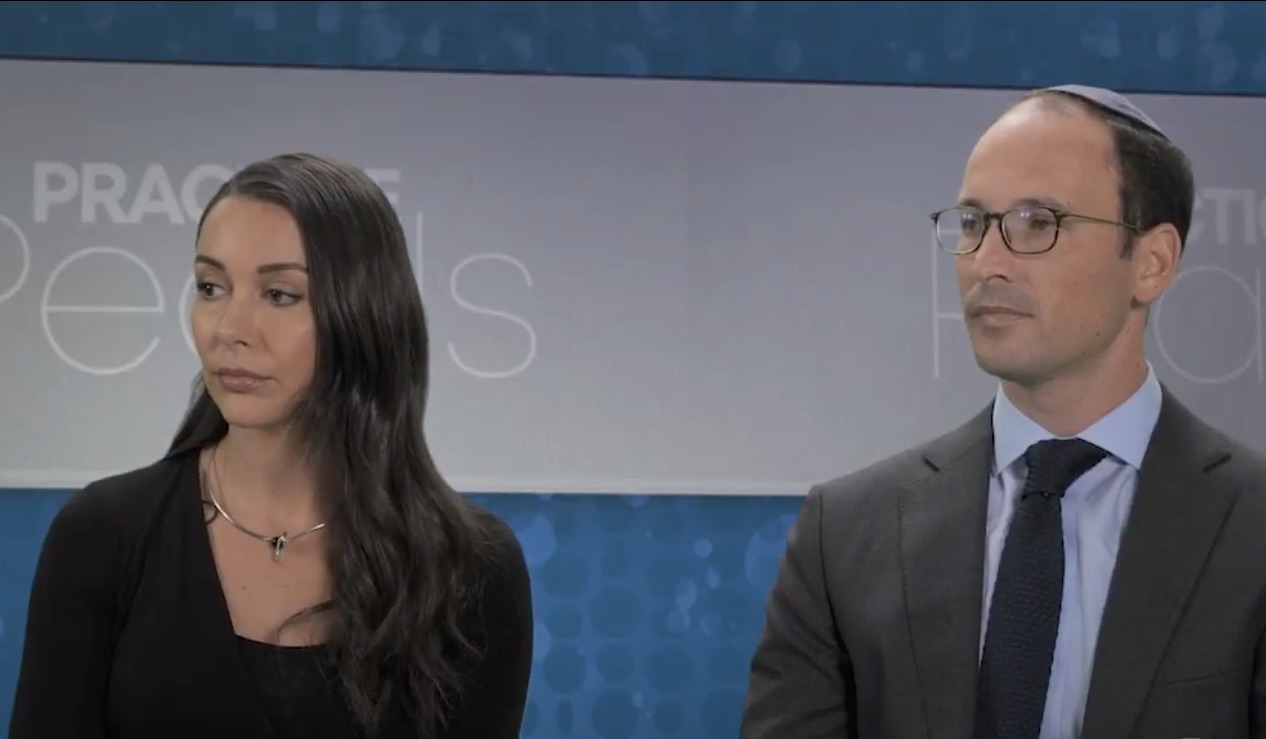
In this “Practice Pearls” webinar hosted by Pharmacy Times, expert panelists discuss important topics regarding the treatment of patients with acute myeloid leukemia (AML). Panelists: Katie Culos, PharmD,…
Cristina Papayannidis, MD, PhD, University of Bologna, Bologna, Italy, discusses a study evaluating the efficacy of combining venetoclax with hypomethylating agents in treating patients with acute myeloid leukemia…
Thomas Prebet, MD, PhD, Yale School of Medicine, previews recent advancements and treatment options for acute myeloid leukemia (AML) patients with TP53, IDH, and FLT3 mutations. Dr. Prebet…
Andrew Krivoshik, MD, PhD, Oncology Therapeutic Area Head at Astellas Pharma, reviews treatment options for acute myeloid leukemia (AML) patients. Dr. Krivoshik states that, while patients traditionally receive…
Ruben A. Mesa, MD, director of the Mays Cancer Center at UT Health San Antonio MD Anderson Cancer Center, discusses barriers to achieving racially diverse clinical trials for…
Corey Cutler, MD, MPH, medical director of the Adult Stem Cell Transplantation Center at Dana-Farber Cancer Institute, discusses Blood and Marrow Clinical Trials Network Study 1102, comparing patients…
Can targeted therapies offer safer and more efficient means to treat patients with acute myeloid leukemia (AML)? Eunice Wang, MD, Chief of the Leukemia Service at Roswell Park…
Christopher Hourigan, MD, PhD, associate professor at Johns Hopkins and principal investigator at the National Heart, Lung, and Blood Institute of the National Institutes of Health, highlights his…
Rebecca L. Olin, MD, MSCE, associate professor in the Department of Medicine at the University of California, San Francisco, Helen Diller Family Comprehensive Cancer Center, discusses changes in…
Jennifer Marvin-Peek, MD, The University of Texas MD Anderson Cancer Center, Houston, TX, discusses practical considerations for treating patients with IDH-mutated acute myeloid leukemia. Dr Marvin-Peek highlights the…
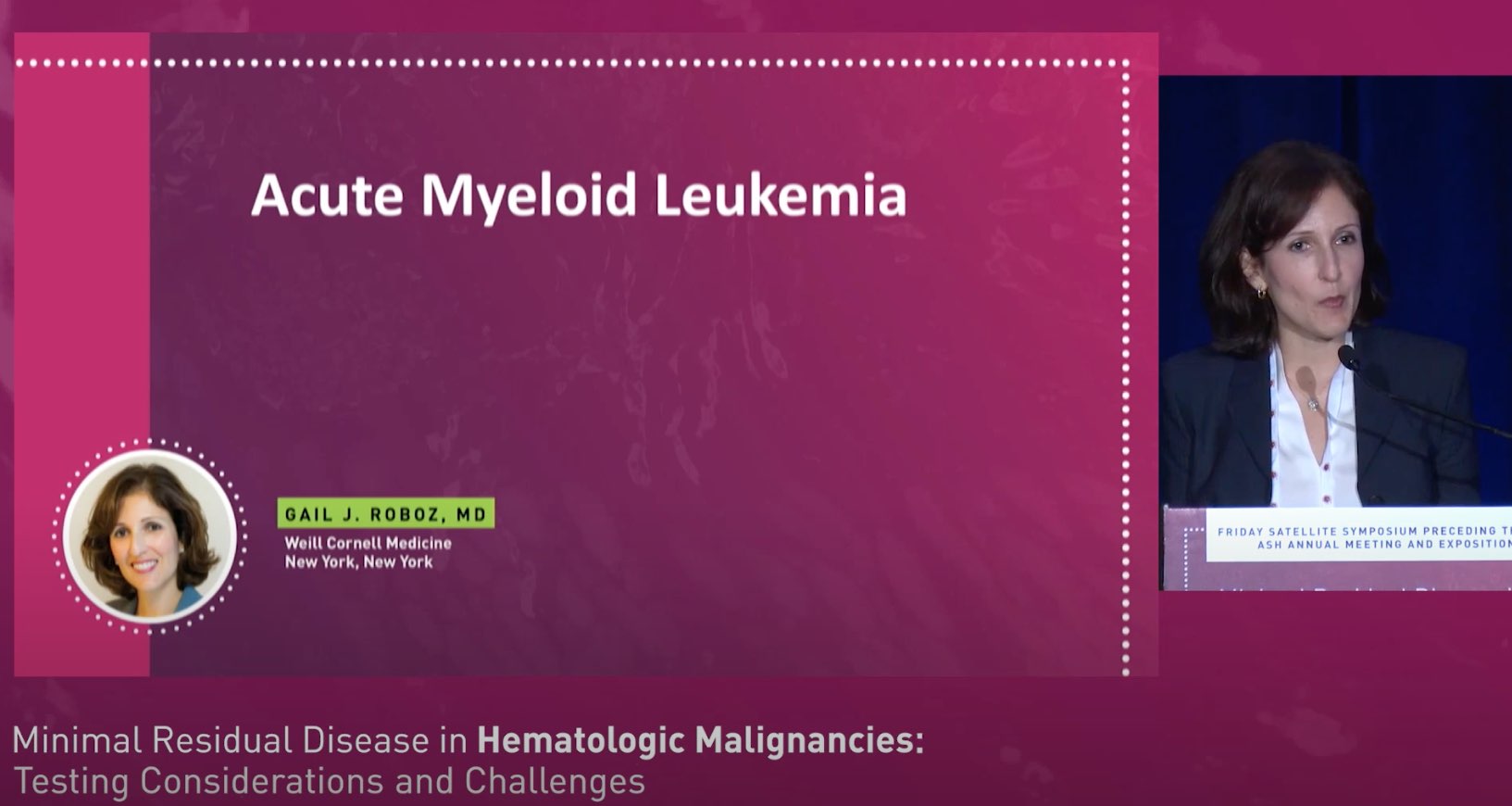
In this webcast symposium, Gail J. Roboz, MD, professor of medicine and director of the Clinical and Translational Leukemia Program at the Weill Medical College of Cornell University…
In an interview conducted at the 30th Congress of the European Hematology Association (EHA) in Milan, Italy, Gail J. Roboz, MD, professor of medicine and director of the…
Naval G. Daver, MD, associate professor in the Department of Leukemia at The University of Texas MD Anderson Cancer Center, explains the results of a phase 1 trial…
Naval G. Daver, MD, a professor and director of the Leukemia Research Alliance Program, MD Anderson Cancer Center, Houston, Texas, highlighted significant advancements in acute myeloid leukemia (AML)…
Naval G. Daver, MD, a professor and director of the Leukemia Research Alliance Program, The University of Texas MD Anderson Cancer Center, Houston, Texas, discusses the significant advancements…
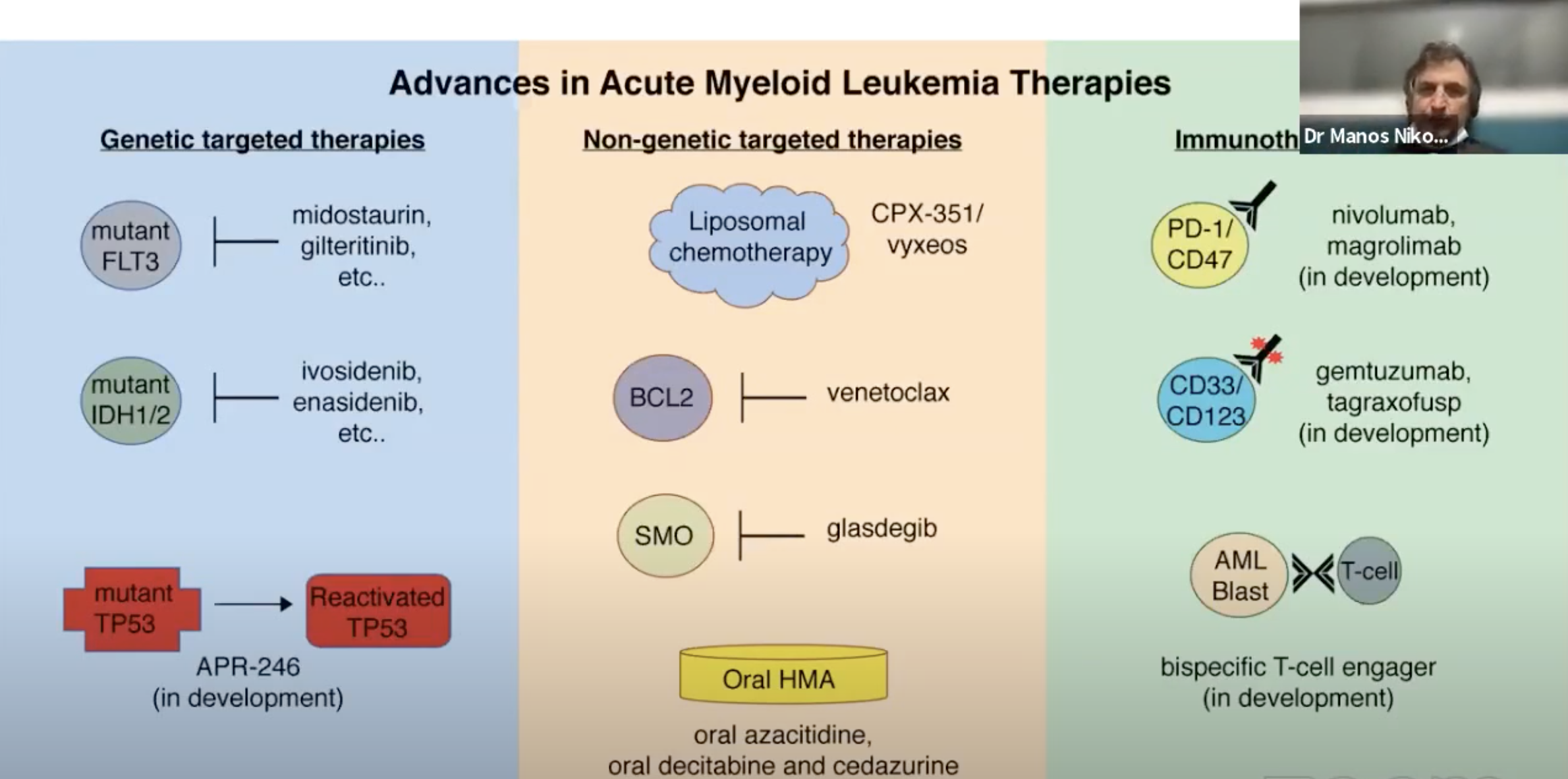
What are the latest treatment options for patients with #AML? @manosnikolousis discusses treatment options with a clinical nurse specialist and a patient with AML.
Amir Fathi, MD, MPH, Massachusetts General Hospital, Boston, MA, discusses current therapeutic options for younger patients with acute myeloid leukemia. Dr Fathi notes that the approved guidance for…
Jae H. Park, MD, hematologic oncologist and attending physician at the Leukemia Service and Cellular Therapeutics Center of Memorial Sloan Kettering Cancer Center, discusses the future of chimeric…
In this expert interview, Arnon Nagler, MD, Chaim Sheba Medical Center, Tel-Aviv, Israel, discusses donor selection for allogeneic stem cell transplantation in secondary acute myeloid leukemia (AML) patients…
In this video, Naval G. Daver, MD, a professor and director of the Leukemia Research Alliance Program, MD Anderson Cancer Center, Houston, Texas, and Uma Borate, MBBS, Acute…
Raajit K. Rampal, MD, PhD, hematologic oncologist at Memorial Sloan Kettering Cancer Center, discusses a recent study on the use of APR-246 for the treatment of myelodysplastic syndrome…
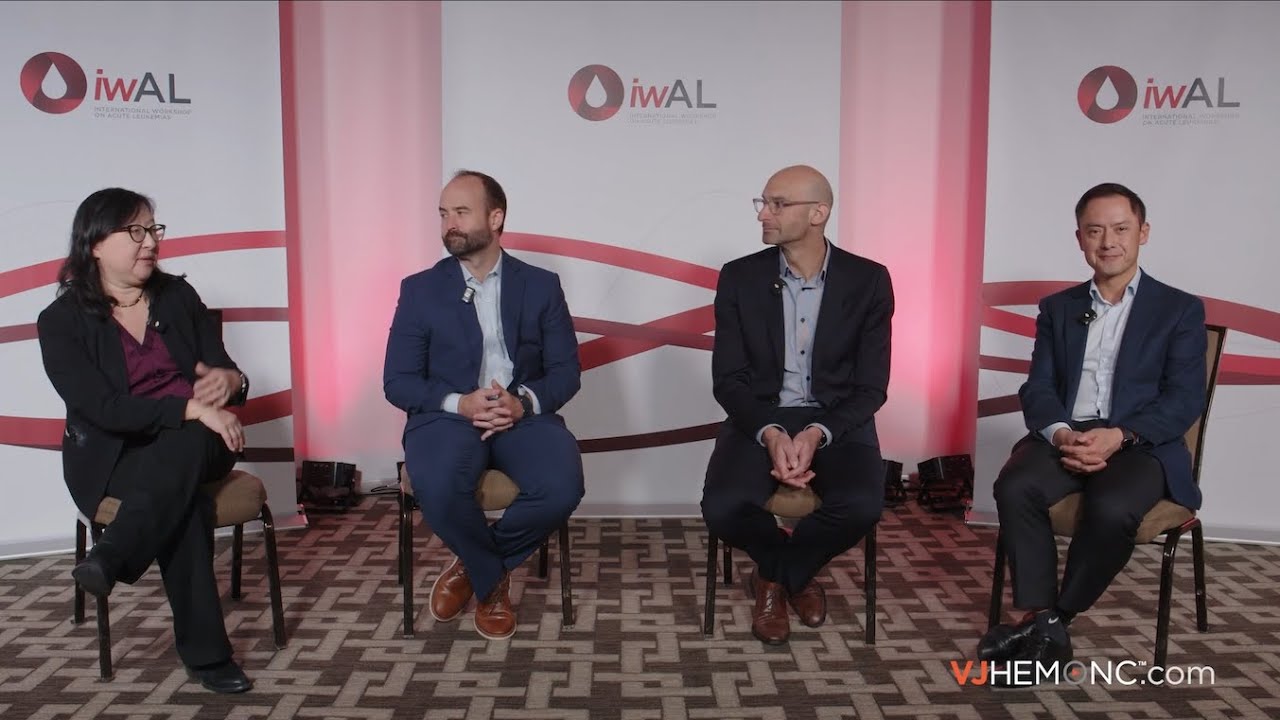
In this panel discussion from the 7th International Workshop on Acute Leukemias, Eunice Wang, MD, Roswell Park Comprehensive Cancer Center, Buffalo, NY; Andrew Wei, MBBS, PhD, Peter MacCallum…
In this episode of The AML Expert Series, Amer Zeidan, MBBS, Yale School of Medicine, New Haven, Connecticut, and Eunice S. Wang, MD, Roswell Park Comprehensive Cancer Center,…
Phase 3 ASCERTAIN Trial Shows Promising Results with Oral Decitabine and Cedazuridine Combination for the Treatment of Myelodysplastic Syndrome and Chronic Myelomonocytic Leukemia
Eunice Wang, MD, Chief of the Leukemia Service at Roswell Park Comprehensive Cancer Center, describes acute myeloid leukemia (AML) and details how emerging targeted treatments are transforming the…
In this “Practice Pearls” roundtable organized by Pharmacy Times, expert panelists discuss acute myeloid leukemia (AML) diagnosis and the various factors affecting decision-making for specialists treating patients with…
Andrew Krivoshik, MD, PhD, Oncology Therapeutic Area Head at Astellas Pharma, discusses acute myeloid leukemia (AML) in the context of the COVID-19 pandemic. The prevalence of healthcare disparities…
Rajneesh Nath, MD, medical oncologist at the Banner MD Anderson Cancer Center, discusses early results from the phase 3 SIERRA trial investigating the efficacy of Iomab-B and protocol-specified…
In the video, Shelley, a 70-year-old diagnosed with acute myeloid leukemia after her chronic myelomonocytic leukemia progressed, shares her cancer journey and how participating in a clinical trial…
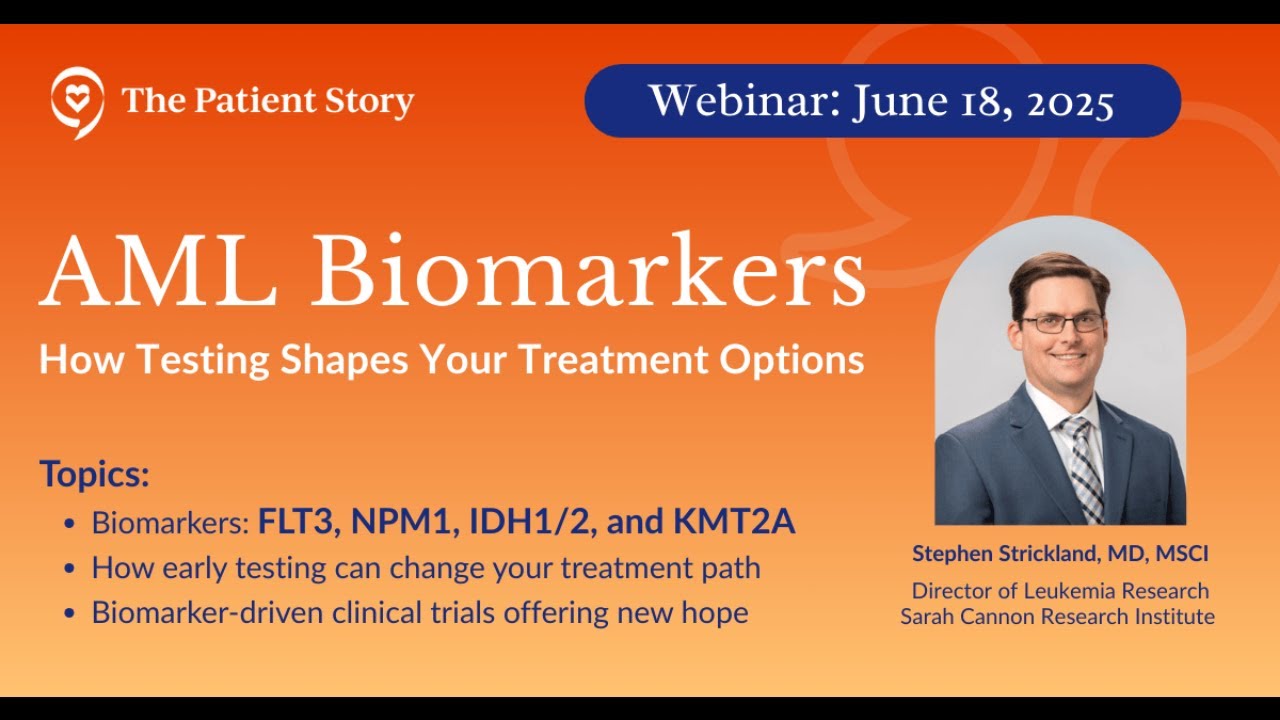
Stephen Strickland, MD, Sarah Cannon Research Institute, AML patient and neurologist Dr Joseph, and patient advocate Steve Buechler discuss the critical role of molecular and genetic testing in…
Alexander Perl, MD, University of Pennsylvania, Philadelphia, PA, reviews the role of FLT3 inhibitors for treating patients with FLT3-mutated acute myeloid leukemia. Dr Perl discusses how FLT3 inhibitors…
Eunice Wang, MD, chief of the Leukemia Service at the Roswell Park Comprehensive Cancer Center, discusses the outlook of acute myeloid leukemia (AML) treatment in the wake of…
Naval Daver, MD, University of Texas MD Anderson Cancer Center, shares recent work on combination magrolimab, a CD47-targeting monoclonal antibody, and the hypomethylating agent azacitidine. The azacitidine and…