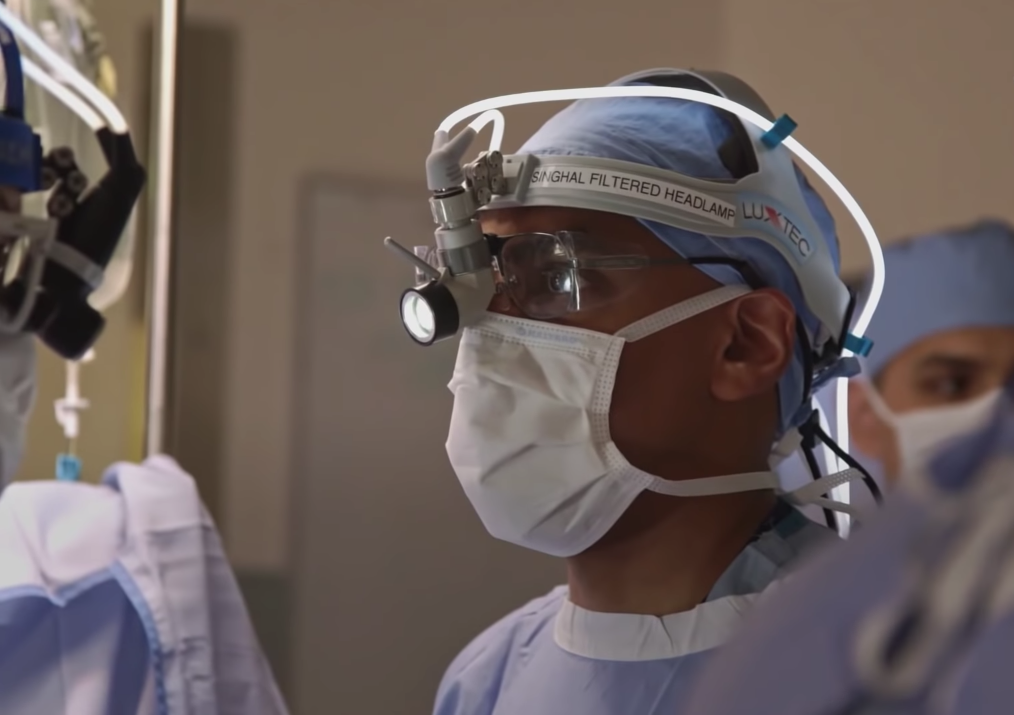
A new technique makes cancerous tumors glow, which in turn makes it easier to fully remove them during surgery. Employing nanotechnology designed to administer small-molecule drugs, physician researchers…
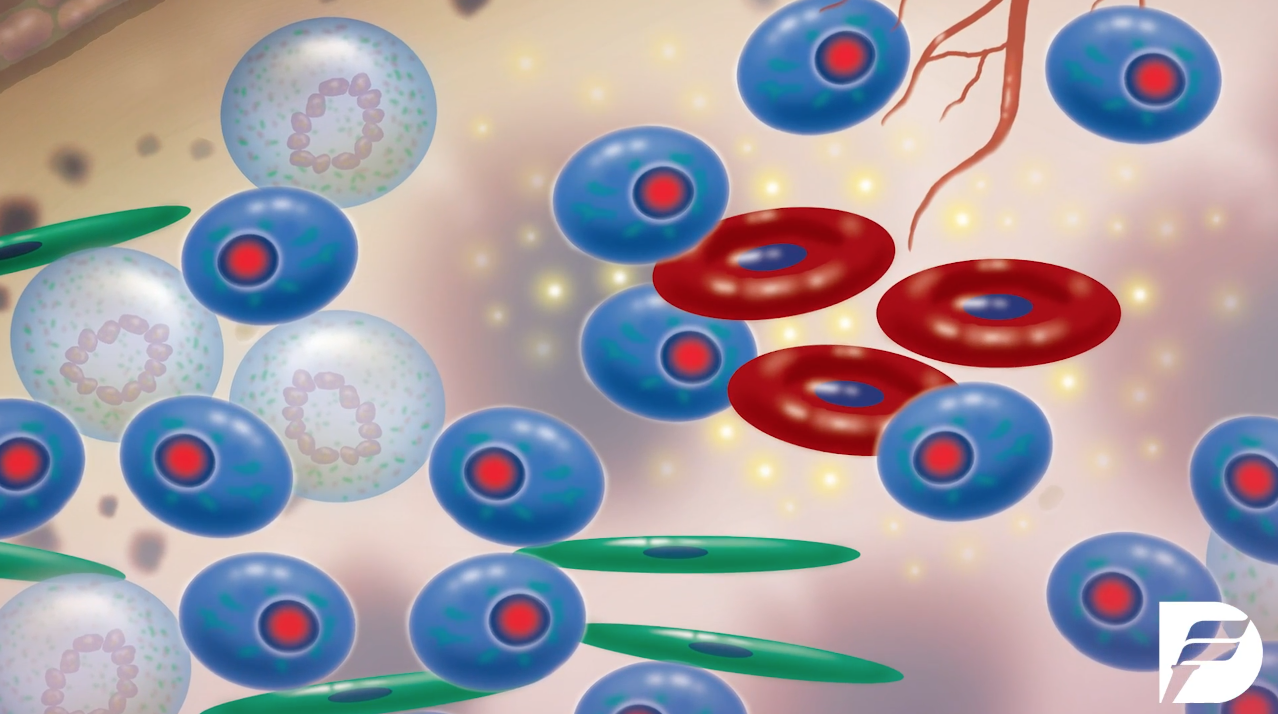
Certain biomarkers can help detect malignant changes in plasma cells before they develop into multiple myeloma. Researchers at Dana-Farber Cancer Institute examined two early precursors of the blood…
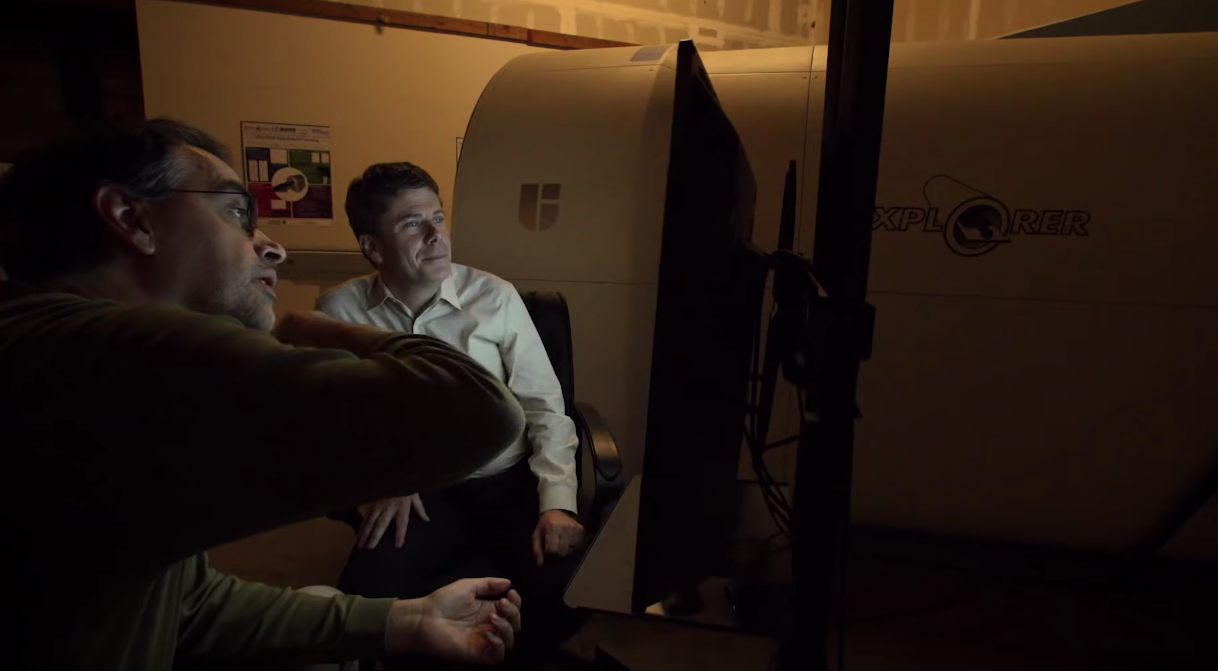
A new medical scanner captures images of the entire body in a single scan. According to its developers, the Explorer device can shed light on the interactions between…
Scientists have developed a promising new compound that could help treat PKAN, a rare neurodegenerative disorder for which there is currently no treatment.
Neuroplasticity, or the brain’s ability to rewire and “heal” itself, is of particular interest in modern post-stroke care. However, data show that only 8-10 percent of stroke victims…
Specially trained dogs detected malaria by smelling the socks of sick patients—something researchers hope could eventually help control the spread of the disease.
Alcohol is the world’s seventh-leading cause of disease burden, researchers found, and is the top risk factor for a variety of diseases in people ages 15-49. Over time,…
As bodies age, skin loses its elasticity and becomes wrinkled. According to a new study, the loss over time of a protein called HAPLN1 contributes to that process—and…
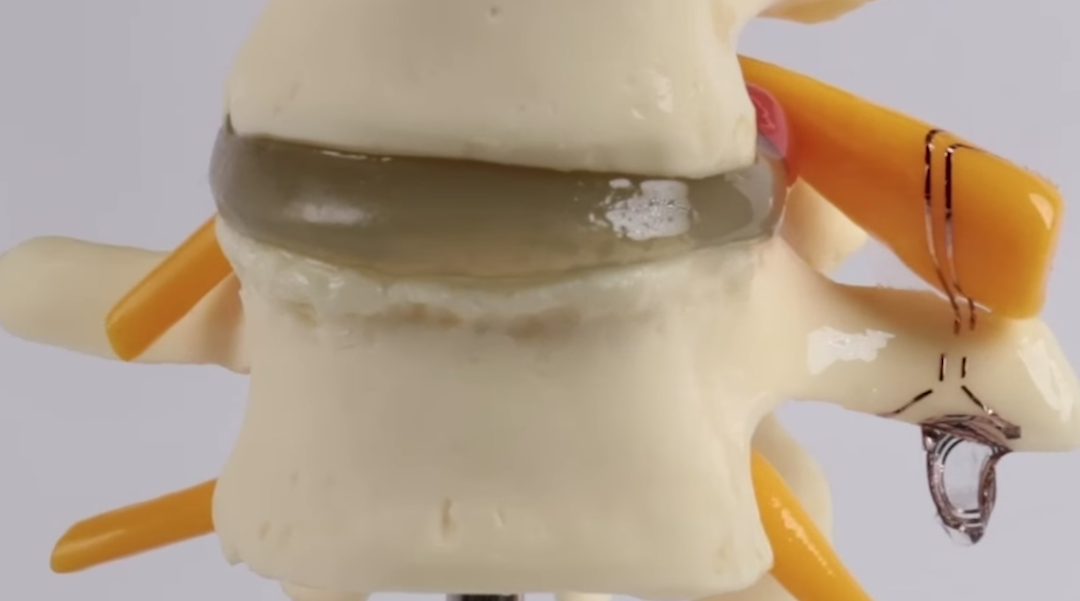
A new electronic implant can dissolve harmlessly in the body after working to repair damaged nerves. Working in the fledgling field of bioelectronic medicine, researchers at Northwestern University…