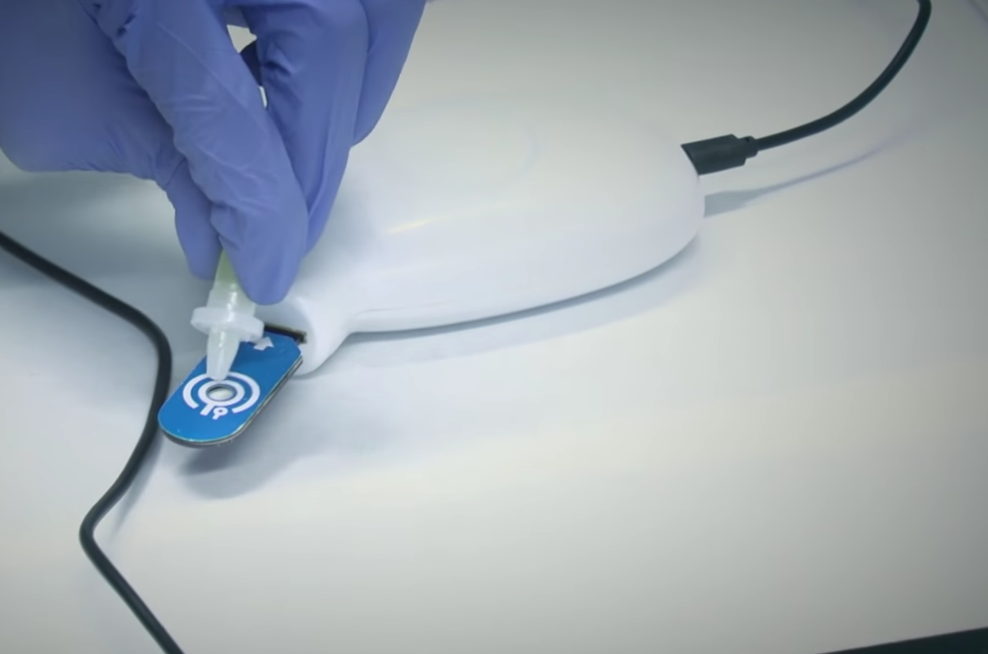
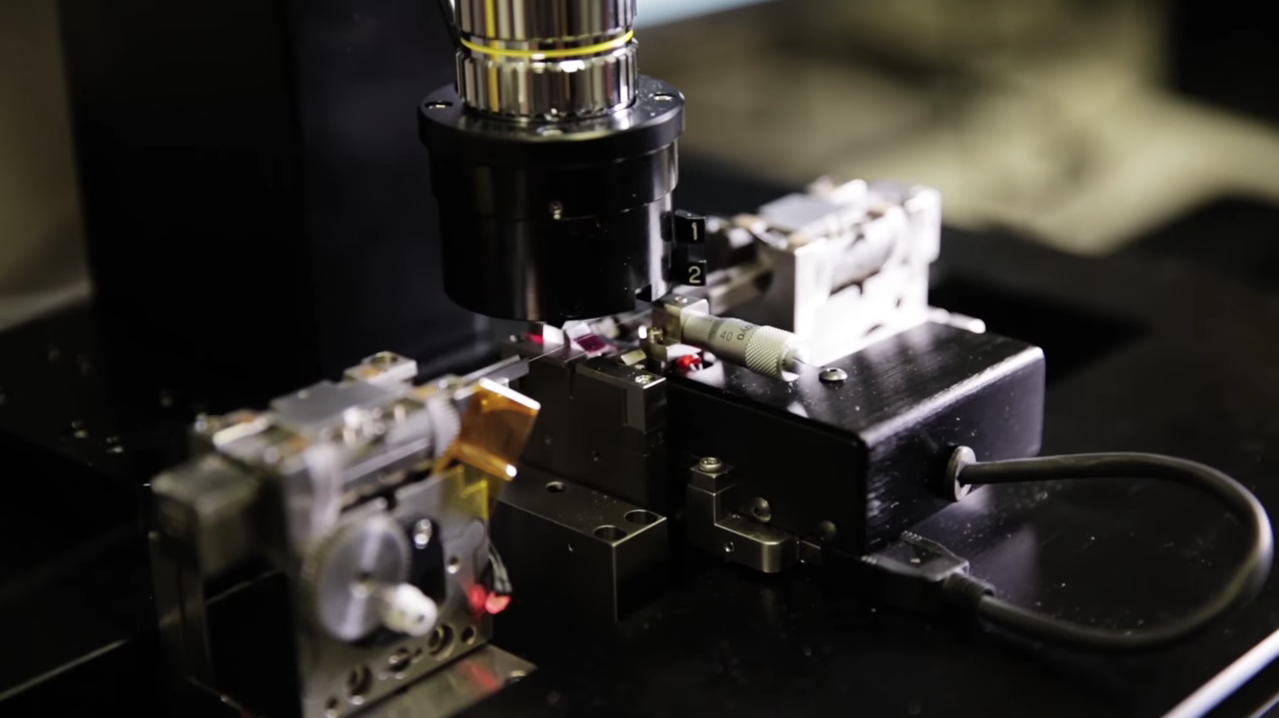
A new palm-sized device set for release in Europe can detect common pathogens in minutes. The Polish researchers who created the device, known as the SensDx, believe it…
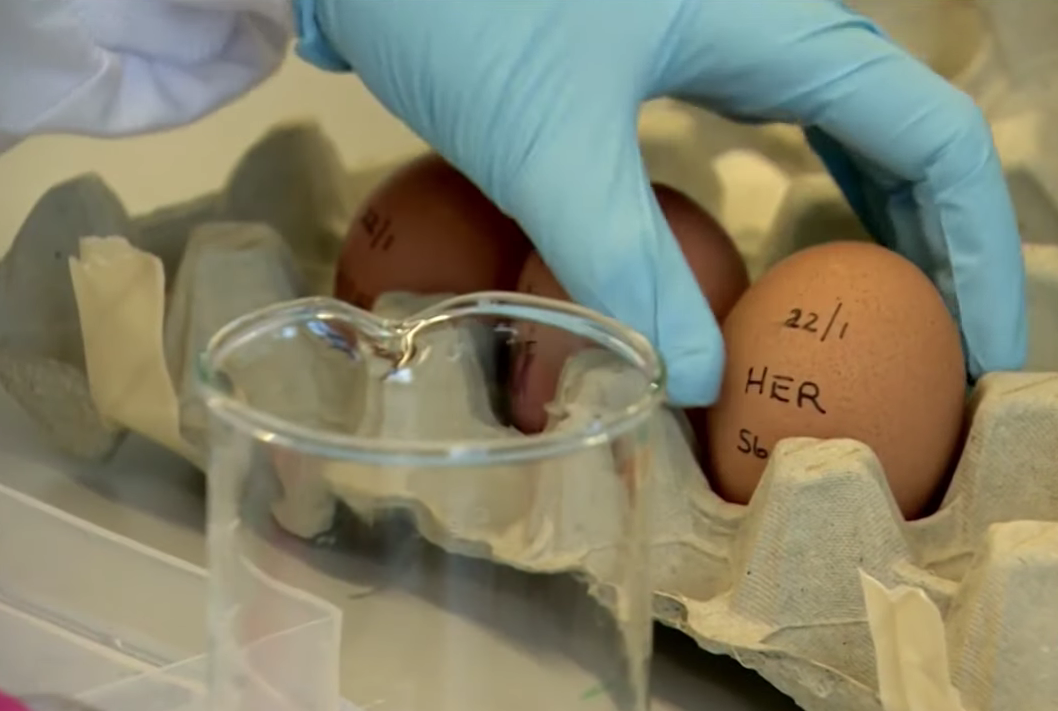
Genetically modified chickens can lay eggs that contain an important immune-boosting human protein. Researchers at Scotland’s University of Edinburgh Roslin Institute have developed a more efficient means of…
Historically, high-sensitivity diagnostic testing for many common diseases consisted of sending samples to an offsite laboratory and potentially waiting hours or days before results were attained and shared…
Abbott has developed two types of implantable neurostimulation devices that employ two advanced spinal column stimulation (SCS) techniques, respectively, dorsal root ganglion (DRG) stimulation and Abbott’s proprietary BURSTDR™…
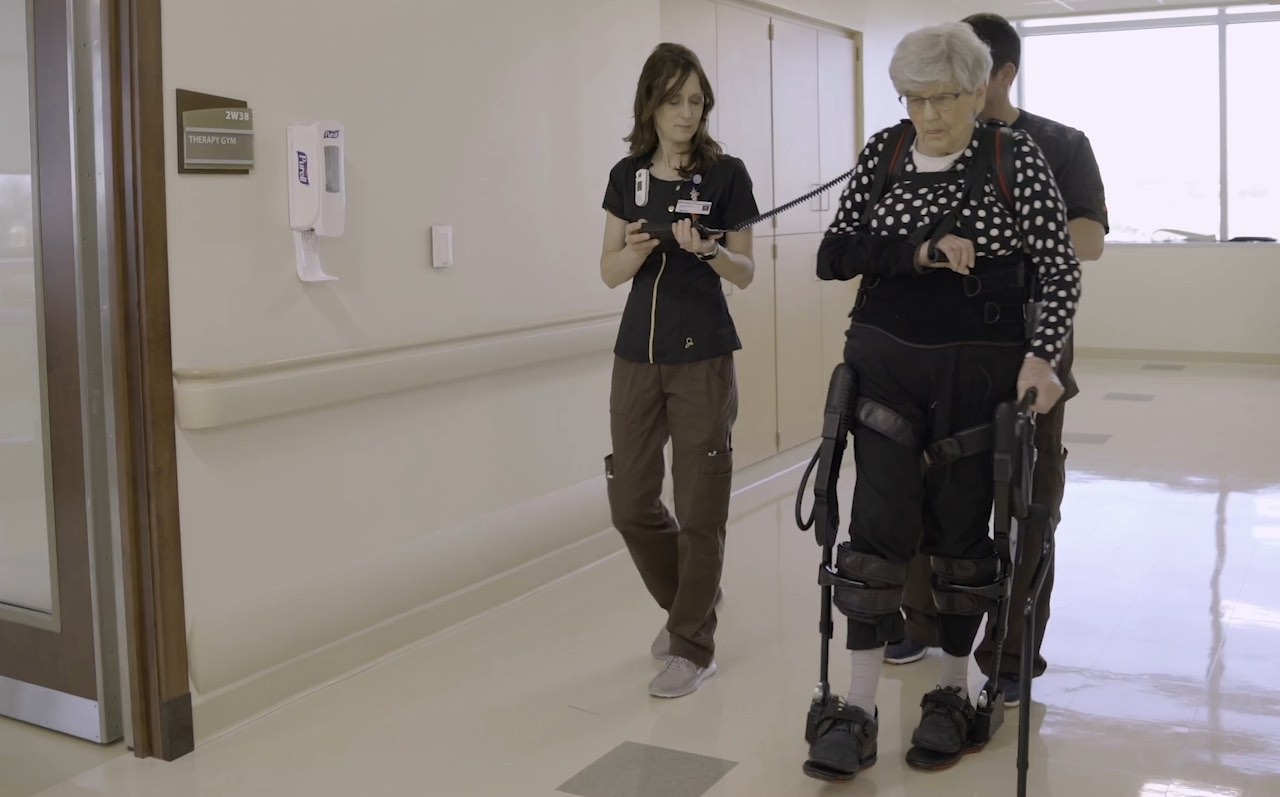
Exoskeletons intended for medical purposes are motorized braces that help control a patient’s body and limb movements. These sophisticated body frames are increasingly being used as a tool…
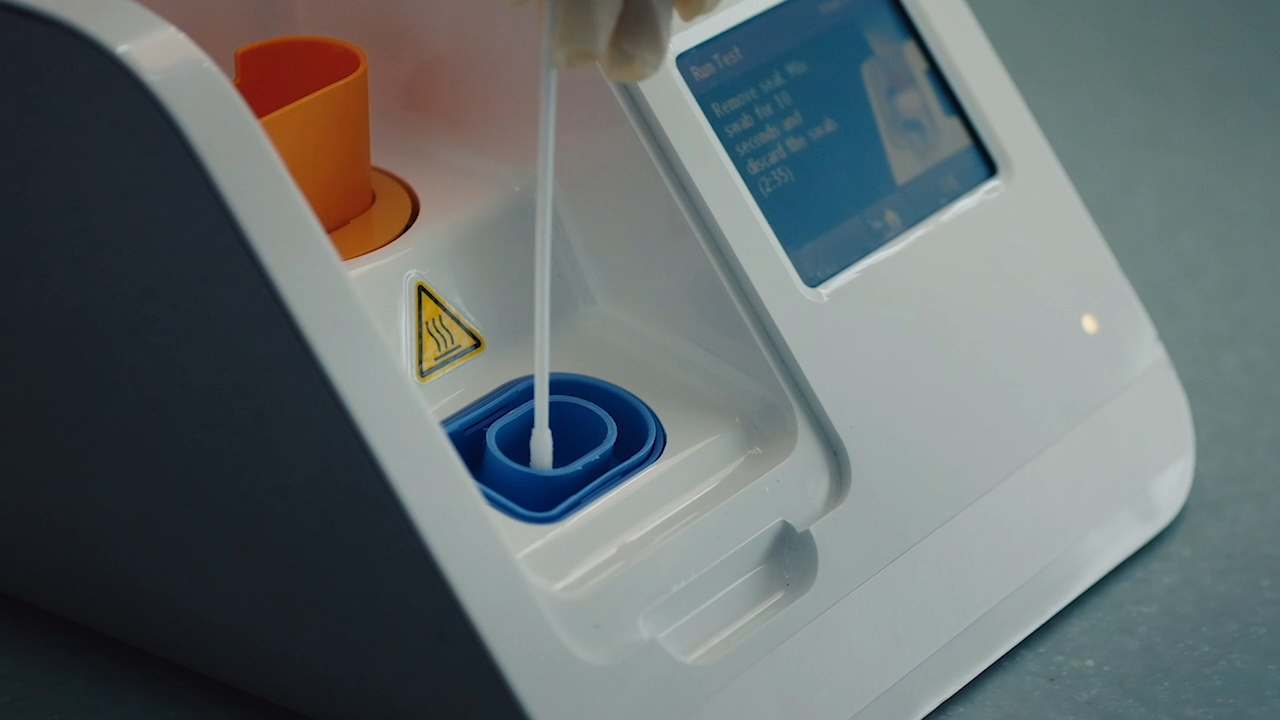
A Massachusetts company is developing an all-in-one device that can test for many known pathogens on-site, addressing the time and cost disadvantages of having to transport samples to…
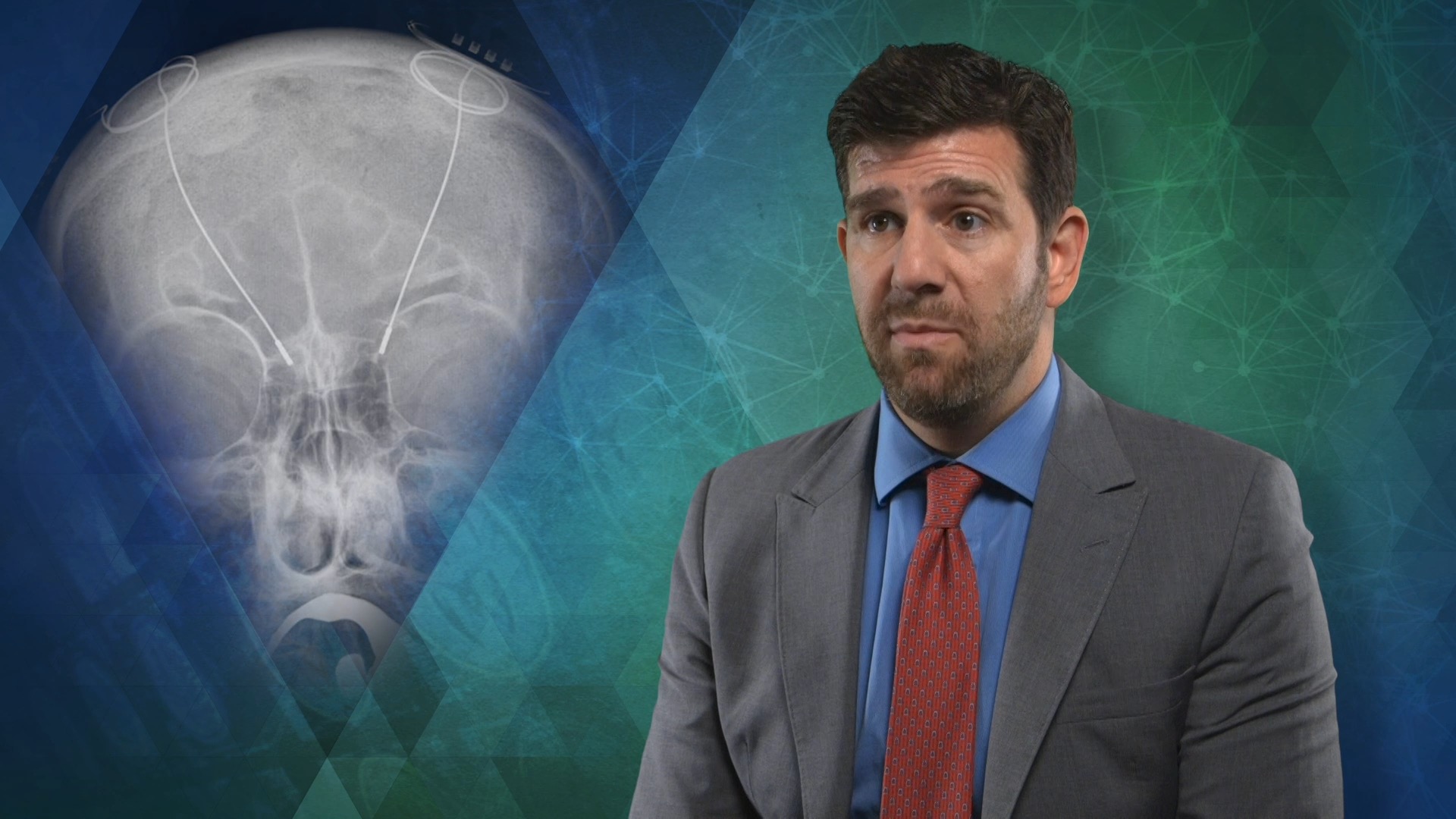
Deep brain stimulation (DBS) is a widely-used neurological technique for modifying and rehabilitating brain function. Closed-loop or “smart” DBS systems currently under development are the next evolutionary step…
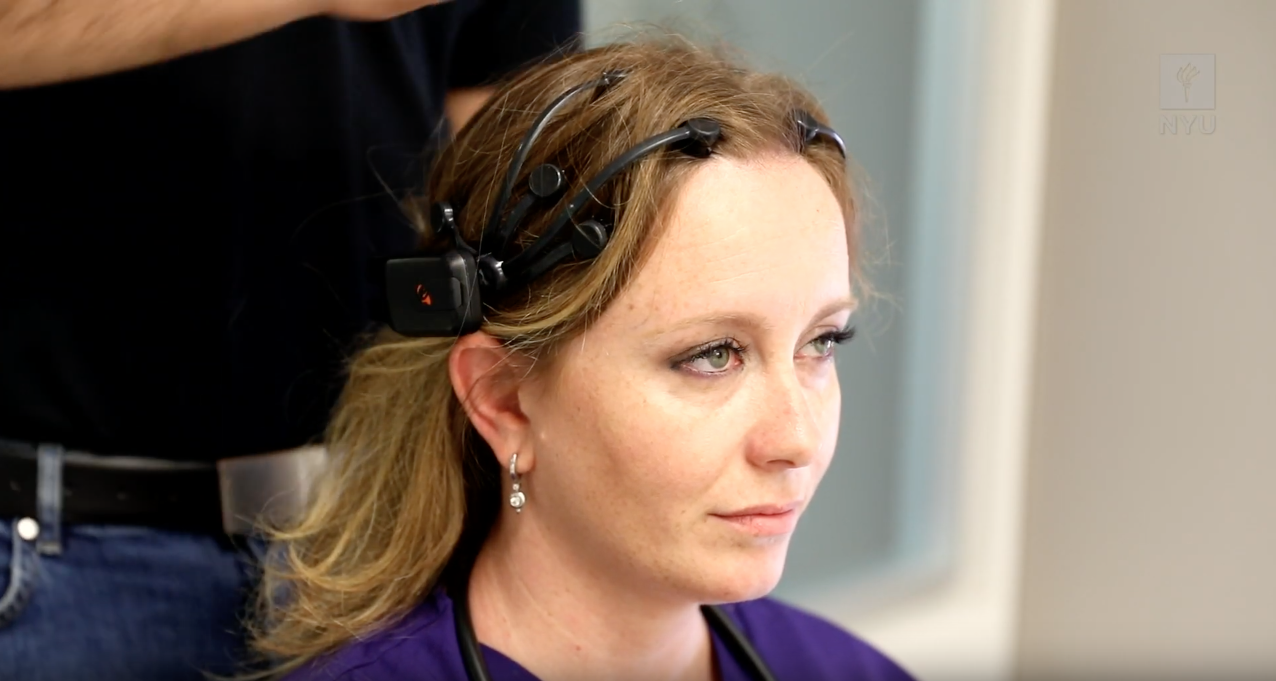
A new educational approach focused on healthcare professionals involves monitoring a trainee’s body language and mental state during simulated patient encounters. While interacting with a patient mannequin and…
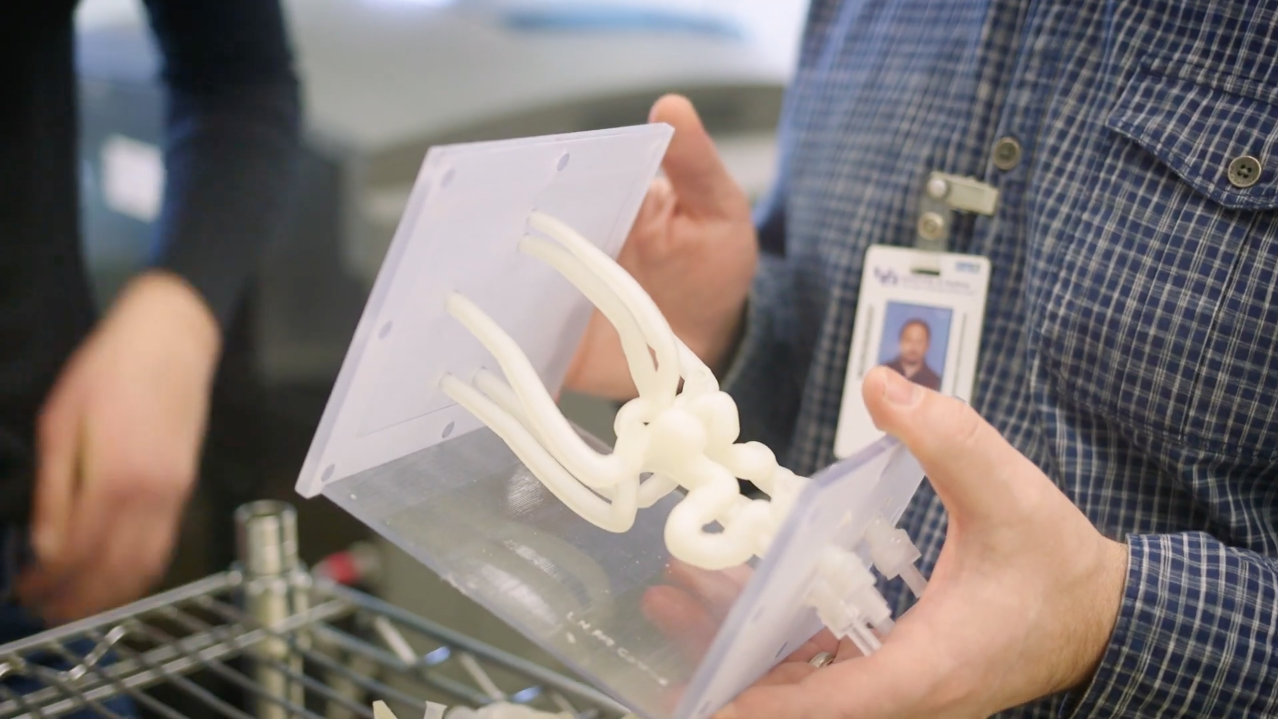
Biomedical engineers are developing 3D-printing technologies to help surgeons better prepare for complex procedures. Researchers are working on imaging and printing techniques that can create enlarged models of…
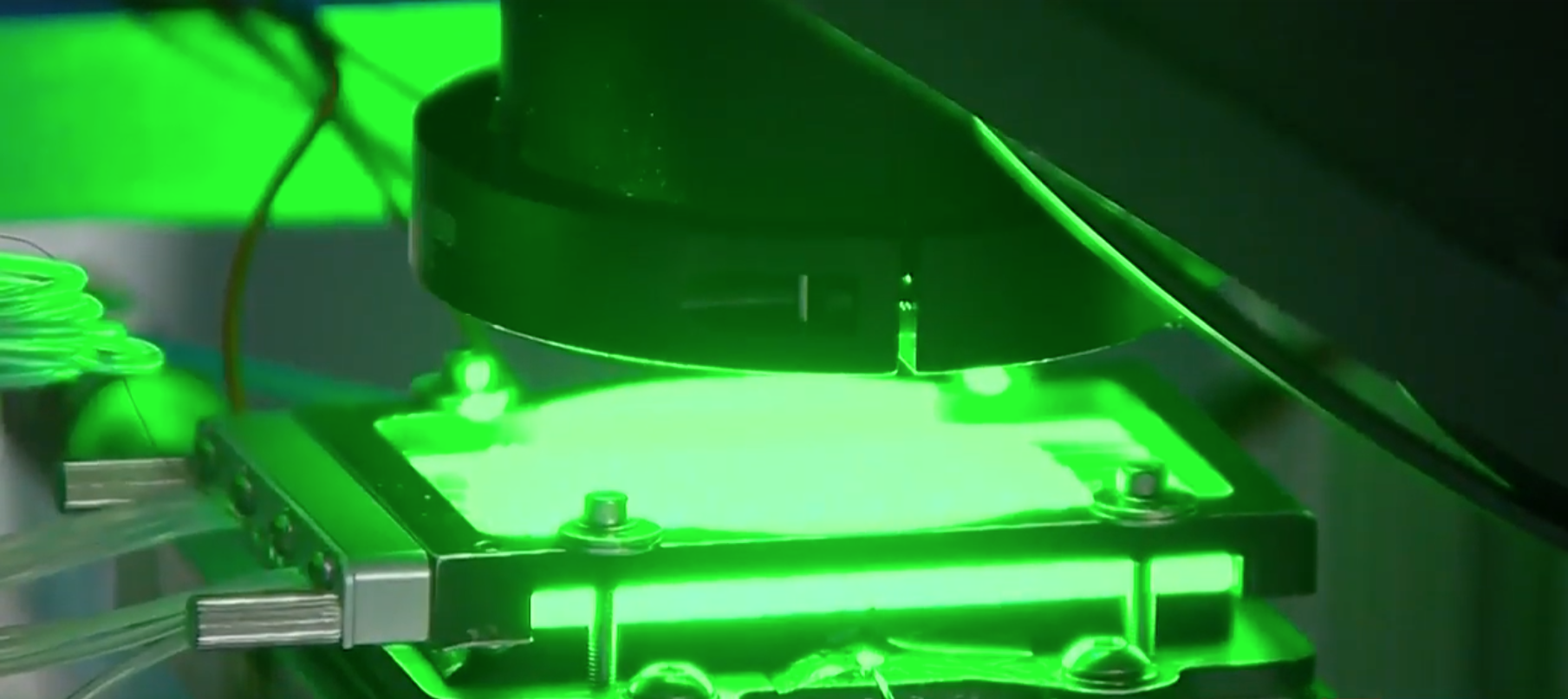
A tool currently in development helps brain surgeons detect blood vessels and avoid bleeding. A fiber-optic camera housed within a biopsy needle alerts surgeons to the presence of…