Topical corticosteroids remain a cornerstone of atopic dermatitis care, but steroid phobia and a growing roster of nonsteroidal agents are reshaping how clinicians use them. On this episode…
Exosomes in dermatology are moving closer to a regulatory pathway, and a new remibrutinib label update is changing how clinicians approach symptomatic dermographism. Todd Schlesinger, MD, shares the…
Neural networks (a.k.a. deep learning algorithms) can be used to teach computers to distinguish various types of disease via prior analysis of massive amounts of clinical data.
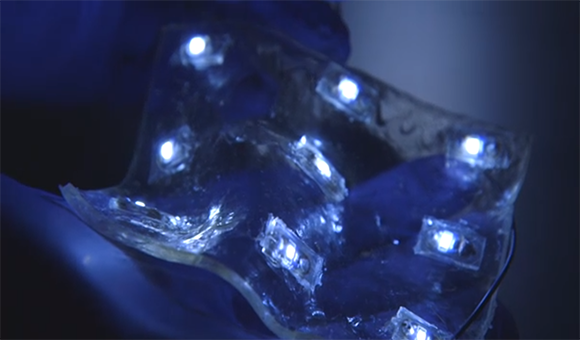
New 3d-printing technology from the research labs of Wake Forest University hopes to speed up the healing process for burn victims and patients with severe skin wounds. This…
The U.S. Preventive Services Task Force (USPSTF) recently reversed its position that annual skin screenings are recommended for all adults, citing that the “current evidence is insufficient and…
A new method of coaxing adult cells into iMS cells may be safer, more versatile, and more effective than current, experimental embryonic stem cell processes.
Amniotic membrane regenerative healing treatments (amnion allografts) can be very effective in repairing diabetic foot wounds, surgical incisions, anterior conjunctival issues, and gingival recession. Their mechanisms of action…
Hidradenitis suppurativa (HS) often poses a therapeutic challenge to physicians treating the condition. Severe cases can be refractory to a multitude of therapies, both surgical and medicinal alike.…