When it comes to CLL/SLL treatment, what’s the difference between BTK inhibitors and BCL-2 inhibitors? Understanding how these treatment approaches work and how they fit into the treatment…
BTK degrader BGB-16673 reduced tumor burden in 85% of patients from a high-risk, hard-to-treat group with relapsed / refractory CLL. Dr. Stephan Stilgenbauer from Ulm University and colleagues…
Faith Davies, MD, shares insights from the IMS 2024 session on high-risk disease, highlighting the debut of a unified high-risk definition. This new framework incorporates 17p deletions, mutations,…
Muneeb Shah MD, and Luke Maxfield, MD, break down the essentials of skin cancer, explaining the causes, symptoms, and treatments of basal cell carcinoma, squamous cell carcinoma, and…
The dialogue between Venugopal, MD, and Nabhan, MD, delves into unresolved challenges in treating chronic myeloid leukemia (CML). Venugopal emphasizes the need for targeted therapies in CML blast…
Lobular breast cancer presents unique challenges in detection and treatment due to its diffuse growth pattern and differences from ductal cancers. Liz O’Riordan, MD, shares her personal journey,…
A detailed discussion on gynecology as a specialty between Prassan Vij, MD, and host Nachiket Bhatia, MD. They explore the rewards and challenges of this field, the importance…
Pompe disease is a progressive, life-threatening genetic neuromuscular disorder. Late-onset Pompe disease (LOPD), affecting individuals over one year old, leads to trunk and proximal muscle weakness, often impacting…
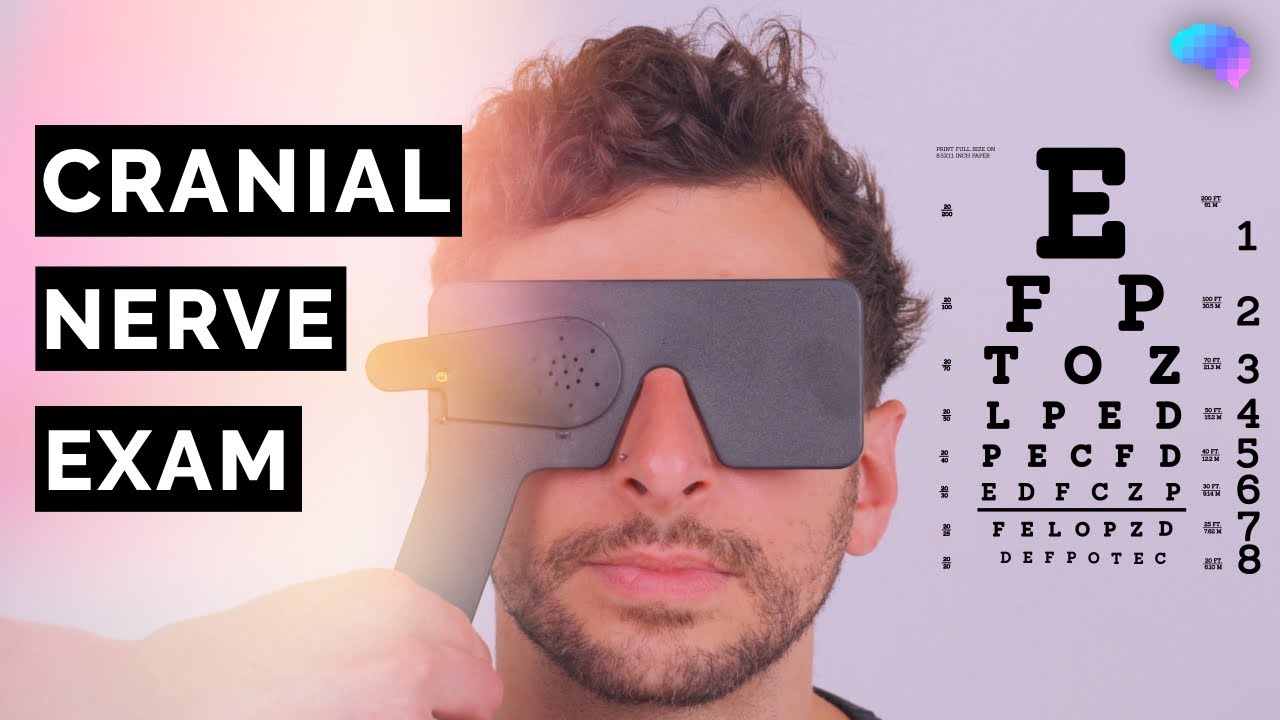
In this video, a cranial nerve examination is demonstrated on a 30-year-old male, Yousef. The test evaluates all 12 cranial nerves, including visual acuity, eye movements, facial sensation,…
Tune in for this comprehensive overview of Chronic Lymphocytic Leukemia (CLL), covering key risk factors, symptoms, and the decision-making process between monitoring and initiating treatment. This episode also…
Beth A. Vogt, MD discusses Post-infectious Glomerulonephritis (GN), often following strep infections, affects children aged 5-15. Symptoms typically emerge 7-14 days post-infection and include cola-colored urine, edema, hypertension,…
Cellulitis is a bacterial skin infection causing redness, swelling, and pain, often in the lower legs. Tom Warren, MD, explains it results from bacteria entering compromised skin barriers…