Tara Lin, MD, University of Kansas Medical Center, Kansas City, Kansas, discusses how she approaches choosing induction therapy for patients with treatment-related acute myeloid leukemia, emphasizing that fitness…
In the video, Shelley, a 70-year-old diagnosed with acute myeloid leukemia after her chronic myelomonocytic leukemia progressed, shares her cancer journey and how participating in a clinical trial…
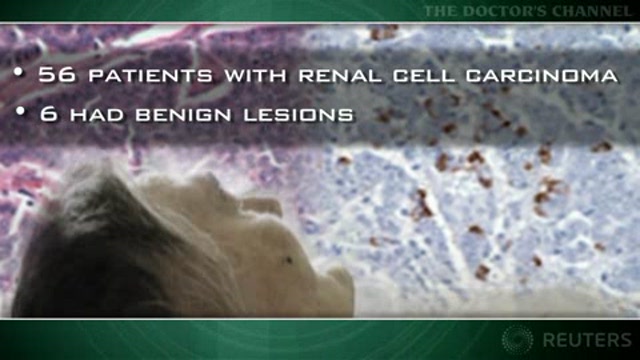
NEW YORK (Reuters Health) – Surgery appears to be safe option in treatment of certain elderly patients with renal tumors, German researchers report in the September issue of…
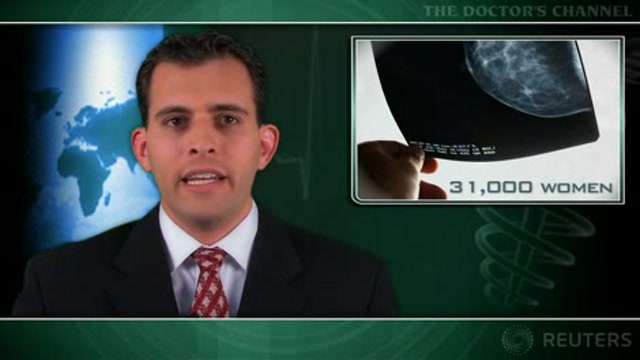
NEW YORK (Reuters Health) – Implementation of a breast cancer screening program has a “profound impact” on breast cancer mortality, according to a study in the Netherlands. “About…
NEW YORK (Reuters Health) – New research suggests that older patients with advanced renal cell carcinoma glean as much benefit from sorafenib as do their younger counterparts. Moreover,…
NEW YORK (Reuters Health) – In men, the risk of developing breast cancer is increased by having a first-degree relative with breast cancer, being obese and physically inactive,…
Douglas S. Hawkins, MD, Associate Professor, Pediatrics, Seattle Children’s Hospital, Seattle WA, discusses errors with orally administered chemotherapy medication in children. References and Resources Taylor JA, Winter L,…
NEW YORK (Reuters Health) – Detection of JC virus, an important cause of progressive multifocal leukoencephalopathy (PML) in immunosuppressed patients, is not a good predictor of PML risk…
Dr. Susan Love discusses her partnership with the Avon Foundation and the origins of the “Army of Women” fighting to prevent and cure breast cancer. References and Resources…
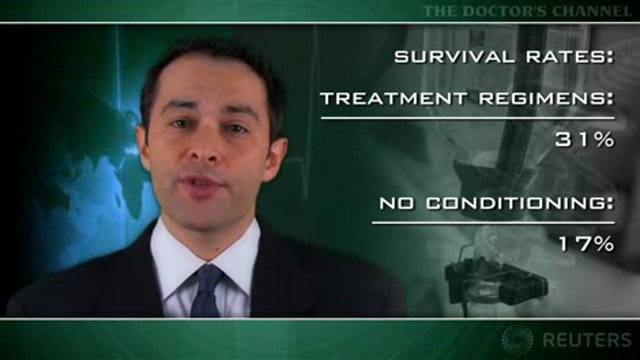
NEW YORK (Reuters Health) – High-dose therapy (HDT) combined with autologous stem cell transplantation (ASCT) may prolong remissions and improve survival in patients with chemoresistant Hodgkin lymphoma, researchers…
NEW YORK (Reuters Health) – In evaluating screening mammograms for breast cancer, a single reader with computer assistance can perform just as well as two readers, the results…
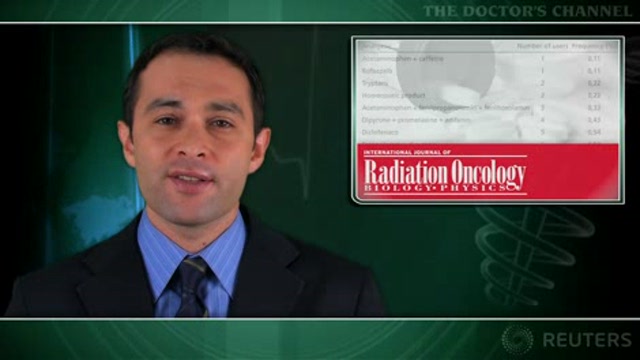
NEW YORK (Reuters Health) – The results of a new study indicate that 80% of cancer patients undergoing radiation therapy do not use medications to combat pain. Many…