When it comes to CLL/SLL treatment, what’s the difference between BTK inhibitors and BCL-2 inhibitors? Understanding how these treatment approaches work and how they fit into the treatment…
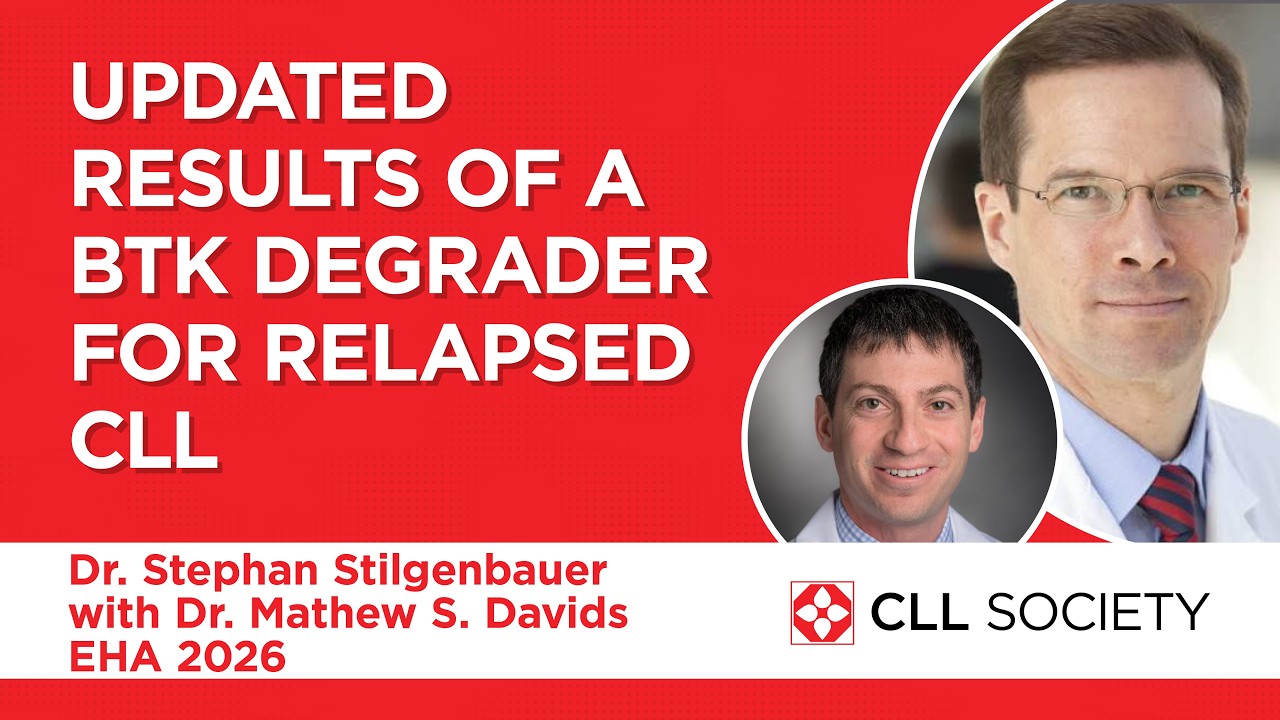
BTK degrader BGB-16673 reduced tumor burden in 85% of patients from a high-risk, hard-to-treat group with relapsed / refractory CLL. Dr. Stephan Stilgenbauer from Ulm University and colleagues…
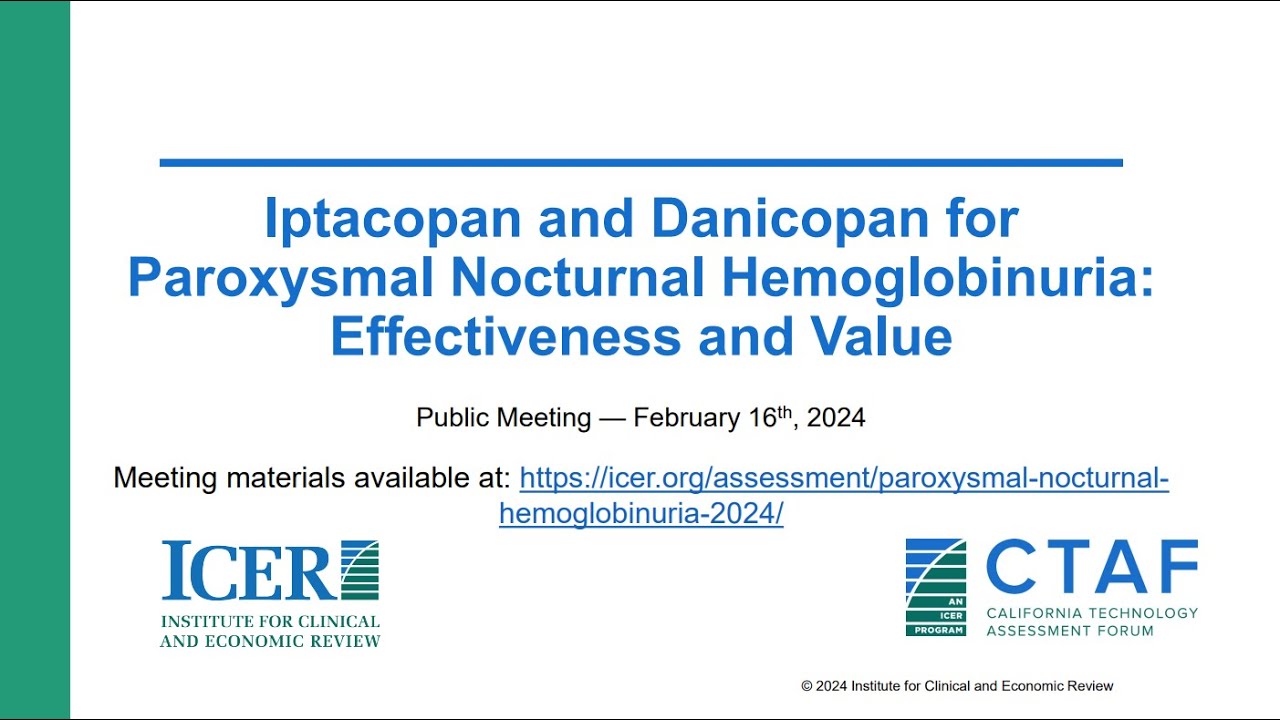
The meeting discusses the effectiveness and value of treatments for paroxysmal nocturnal hemoglobinuria (PNH). During the session, individual members introduce themselves, disclose conflicts of interest, and emphasize patient…
Physicians at Sanjay Gandhi Postgraduate Institute of Medical Sciences successfully managed a pregnancy in a patient with Paroxysmal Nocturnal Hemoglobinuria (PNH), a rare blood disorder. Despite the high…
This session focused on patient-reported outcomes for Paroxysmal Nocturnal Hemoglobinuria (PNH) and how the disease and current treatments affect patient lives. A key highlight was a Ukrainian patient’s…
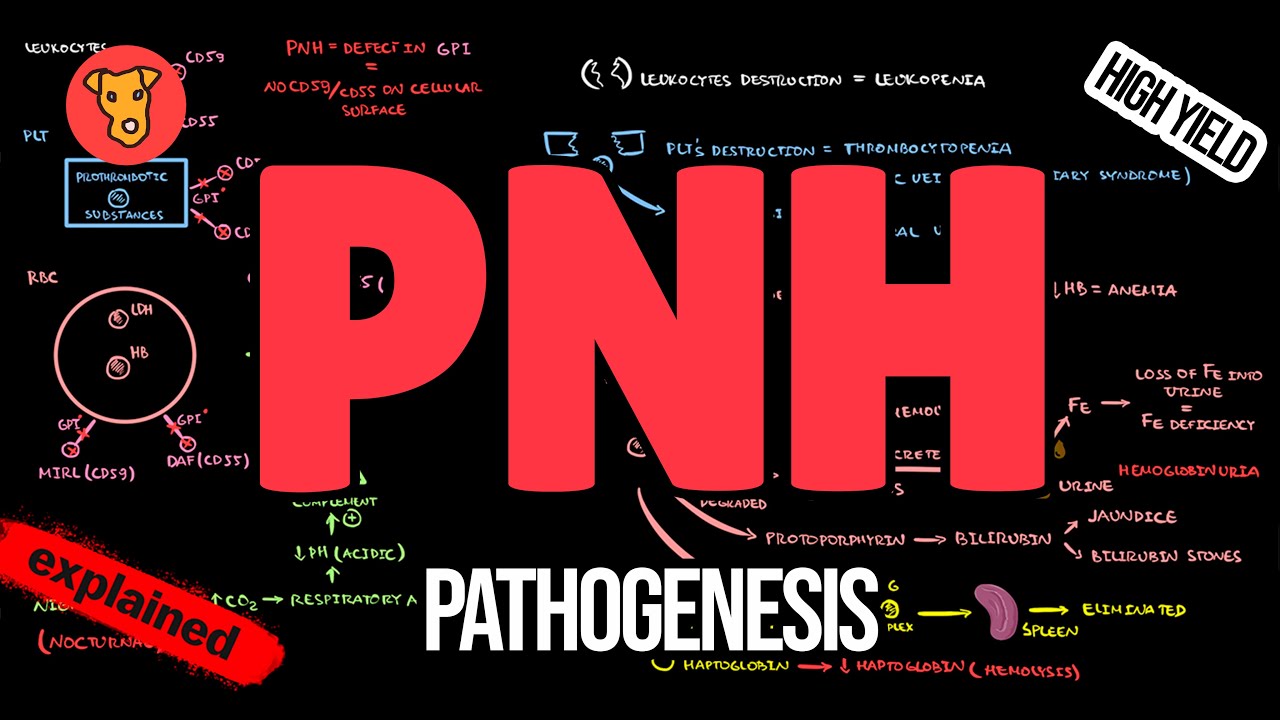
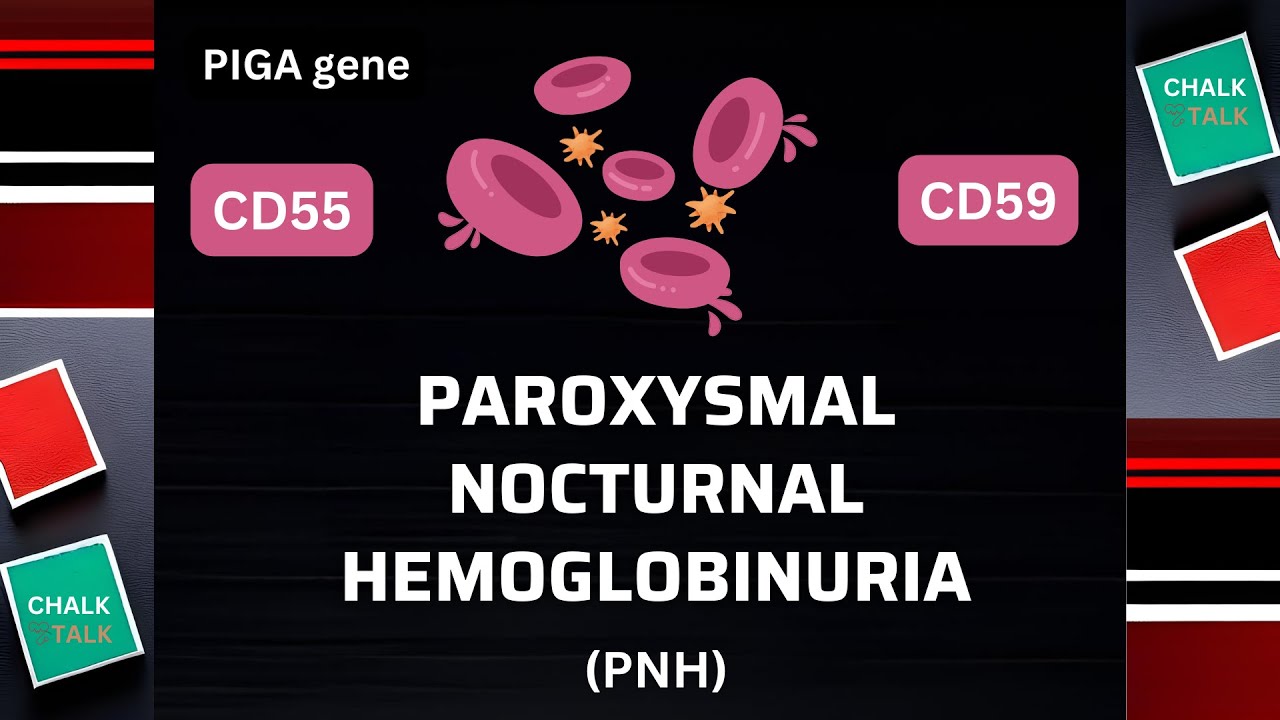
Paroxysmal Nocturnal Hemoglobinuria (PNH) is a rare hemolytic anemia caused by a mutation in the PIGA gene, which disrupts the production of protective proteins (CD55 and CD59) on…
James Edwards explains Paroxysmal Nocturnal Hemoglobinuria (PNH), a rare blood disorder caused by a mutation in the PIGA gene, which affects the GPI anchor proteins that protect red…
Paroxysmal nocturnal hemoglobinuria (PNH) is a rare blood disorder affecting red blood cells due to a gene mutation. This mutation causes red blood cells to lack protective proteins,…
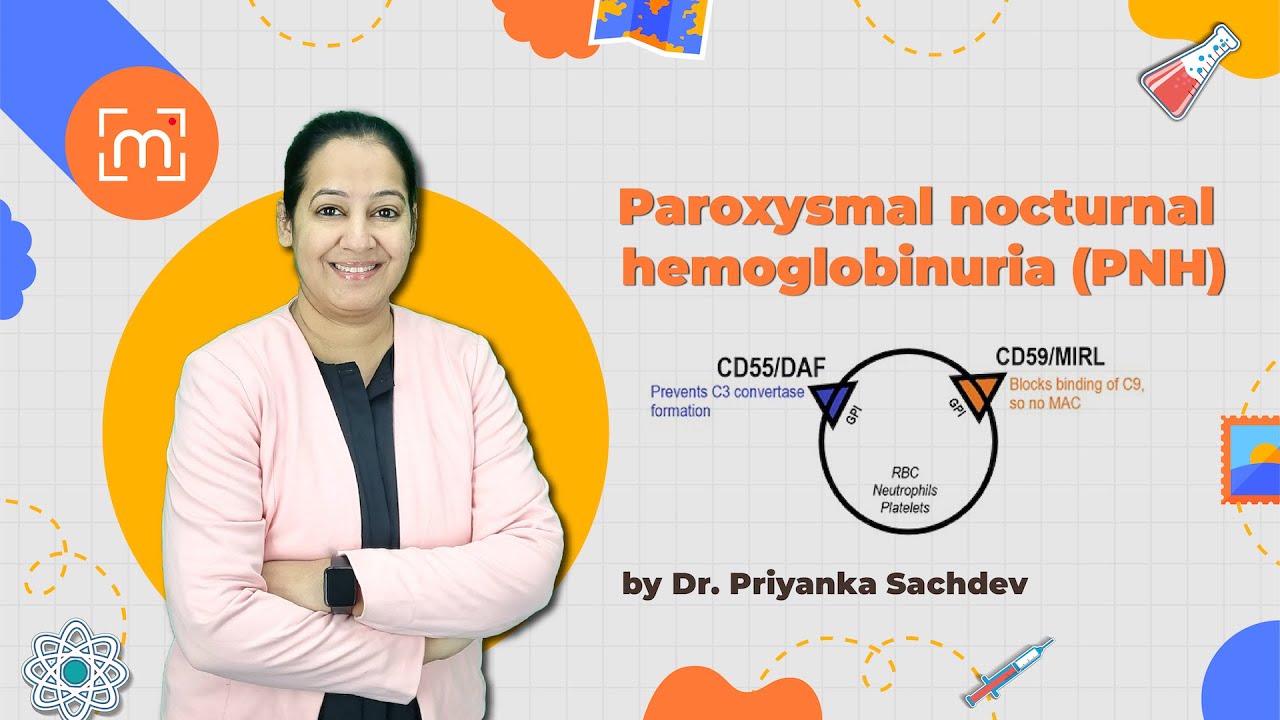
Dr. Priyanka Sachdev, MD, explains paroxysmal nocturnal hemoglobinuria (PNH), a rare acquired disorder that causes hemolytic anemia due to a defect in red blood cell membranes. This defect…
The video discusses paroxysmal nocturnal hemoglobinuria (PNH), an acquired membrane defect in red blood cells. Normally, proteins protect red blood cells from complement-mediated destruction, but in PNH, these…
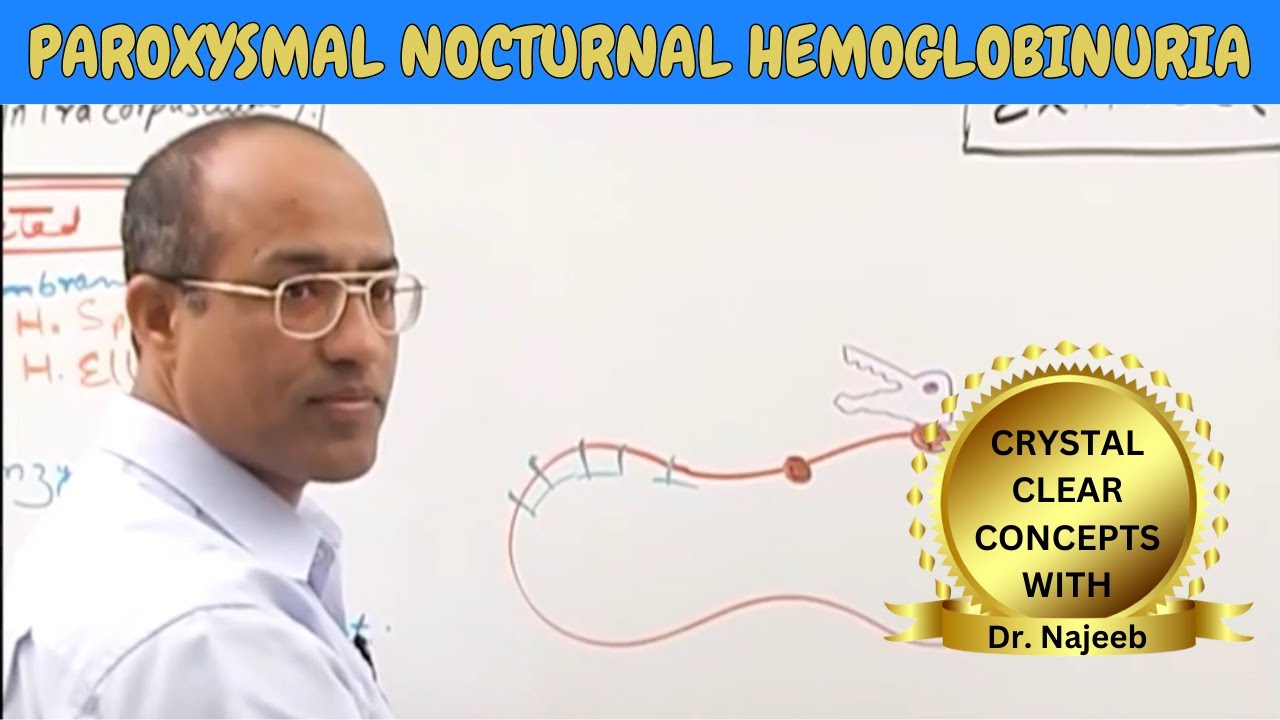
This video discusses intravascular hemolytic anemias, focusing on paroxysmal nocturnal hemoglobinuria (PNH). PNH occurs due to an acquired defect in myeloid stem cells, leading to a lack of…
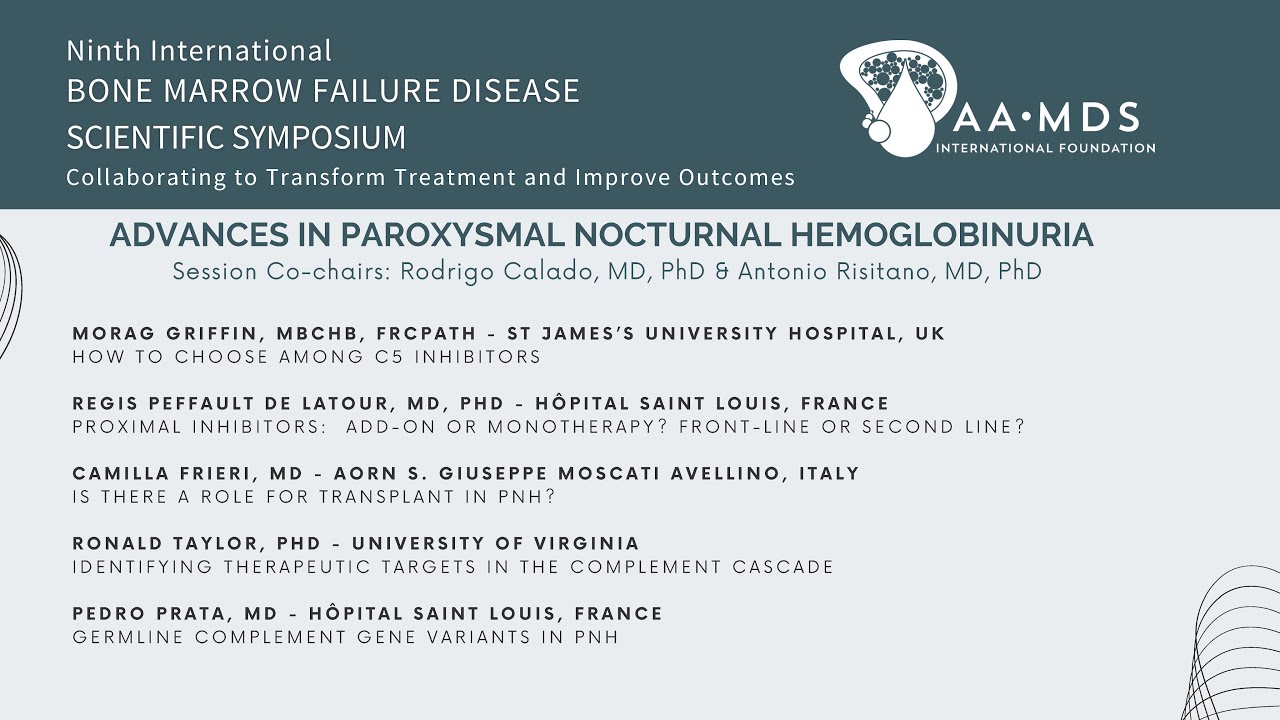
This informative session covers advances in Paroxysmal Nocturnal Hemoglobinuria (PNH), with discussions on clinical and biological aspects. Experts explore various treatment options, including C5 inhibitors and their efficacy…