When it comes to CLL/SLL treatment, what’s the difference between BTK inhibitors and BCL-2 inhibitors? Understanding how these treatment approaches work and how they fit into the treatment…
BTK degrader BGB-16673 reduced tumor burden in 85% of patients from a high-risk, hard-to-treat group with relapsed / refractory CLL. Dr. Stephan Stilgenbauer from Ulm University and colleagues…
The Centers for Disease Control and Prevention, as well as the American Academy of Pediatrics, recommend all children hospitalized due to influenza infection receive antiviral treatment. Despite this,…
The use of antibiotics disrupts the ecology of the microbiome in three important ways. First, antibiotic therapy can lead to secondary infection, as in antibiotic-associated diarrhea caused by…
Multiple clinical trials are currently underway examining the possible synergistic effects of combining chemotherapy with immunotherapies for patients with bladder cancer and other metastases.
The influenza virus is a single-stranded RNA virus that is encapsulated in an outer lipid-bilayer envelope which contains the externally facing surface proteins hemagglutinin (HA) and neuraminidase (NA).…
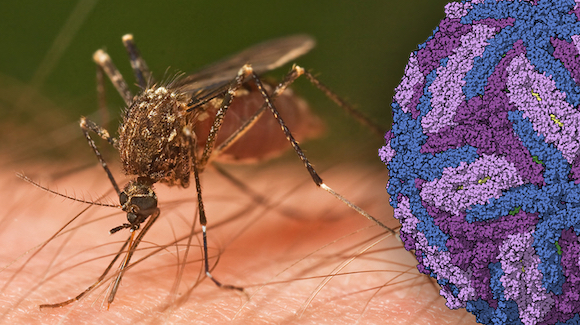
Zika virus is recognized as a major public health concern, but there are currently no medications approved for treating infected individuals. However, researchers in Finland recently demonstrated that…
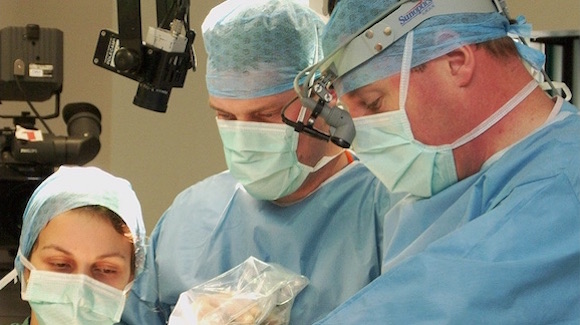
James Geiger, MD, professor of surgery at University of Michigan, and his colleague, professor of engineering, Shorya Awtar, have developed a low-tech, and relatively inexpensive surgical tool that…
Probiotics can both restore and establish the microbiome after disruption by antibiotics. When the microbiome is compromised by antibiotic therapy, resulting in conditions such as antibiotic-associated diarrhea, probiotics…