When it comes to CLL/SLL treatment, what’s the difference between BTK inhibitors and BCL-2 inhibitors? Understanding how these treatment approaches work and how they fit into the treatment…
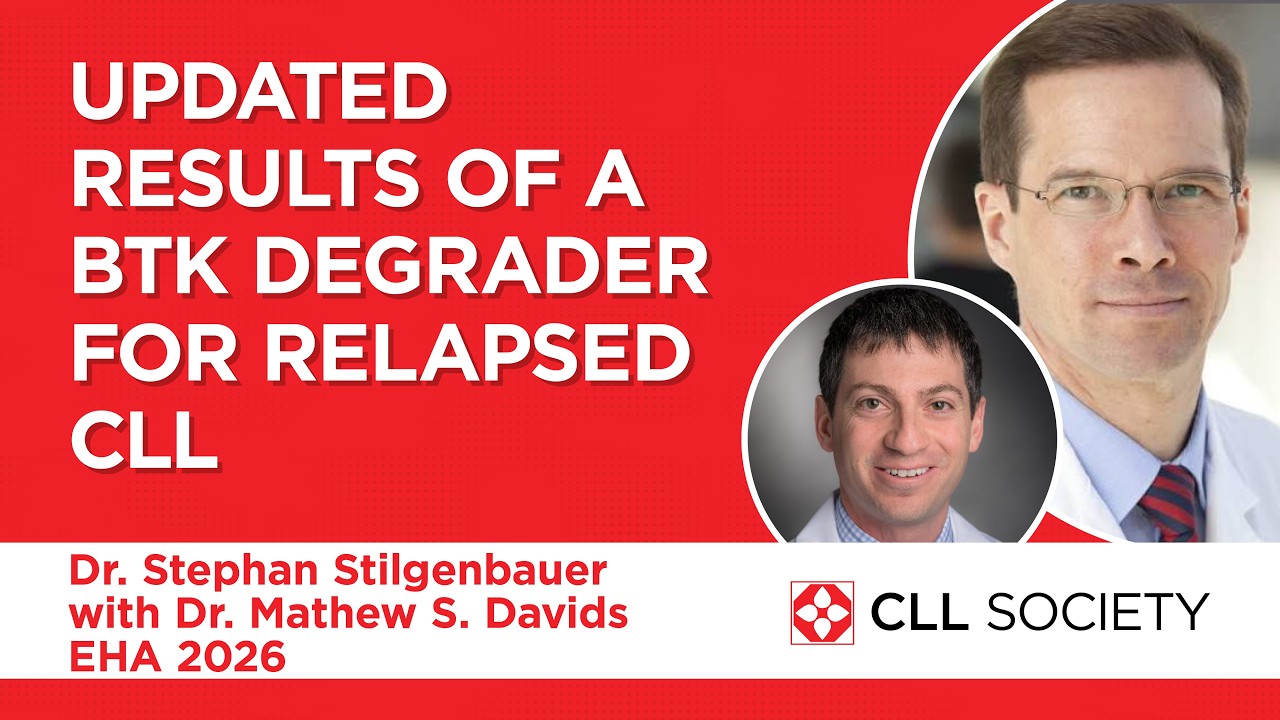
BTK degrader BGB-16673 reduced tumor burden in 85% of patients from a high-risk, hard-to-treat group with relapsed / refractory CLL. Dr. Stephan Stilgenbauer from Ulm University and colleagues…
Adriana Rossi, MD, assistant professor of medicine, director of CART and the Stem Cell Transplant Clinical Service at the Center of Excellence for Multiple Myeloma, Mount Sinai, New…
Roughly 30,000 Americans are diagnosed with multiple myeloma each year—a rare but serious cancer of the plasma cells. Historically treated with chemotherapy, patients often faced recurring disease and…
Kidney cancer affects over 80,000 Americans annually, with renal cell carcinoma as the dominant type. Benjamin R. Lee, MD, MBA, outlines current AUA guideline recommendations, including when to…
Dr. Allison Betof Warner from Stanford University joins Rahul Gosain, MD and Rohit Gosain, MD, on the Oncology Brothers podcast to discuss melanoma treatment. The conversation covers the…
Exercise during curative chemotherapy for breast cancer has proven benefits. It helps reduce fatigue, preserve muscle strength, improve fitness, and enhance overall quality of life. Staying physically active…
With a wave of FDA approvals and promising clinical trials, treatment options for metastatic breast cancer are expanding fast. Amy Tiersten, MD, highlights the power of immunotherapies—especially checkpoint…
In this video, Sarah DiGeronimo, NP, and Sydney Smith, PharmD, both from Dana-Farber Cancer Institute, Boston, Massachusetts, discuss tips for the management of common side effects resulting from…
Sramila Aithal, MD, medical oncologist, Cancer Treatment Centers of America, discusses optimization of therapy for patients with HER2-positive metastatic breast cancer. Dr Authal shares her experience with toxicity…
Aditya Bardia, MD, MPH, director of translational research integration, UCLA, explains how metastatic estrogen receptor-positive breast cancers can develop ESR1 mutations. Donald McDonnell, PhD, research scientist, Duke University,…
In this video, Frédérique Penault-Llorca, MD, PhD, professor of pathology, University of Clermont-Ferrandand, France, and Aditya Bardia, MD, MPH, director of translational research integration, UCLA, discuss the current…