Komal Jhaveri, MD, Memorial Sloan Kettering Cancer Center and lead author of the EMBER-3 trial, as she discusses the significance of this approval, its impact on the treatment…
Sung-Bae Kim, MD, PhD, Asan Medical Center, Seoul, South Korea, reports on results from the East Asian subgroup of the Phase 3 EMBER‑3 trial, showing that in patients…
Virtually all cervical cancers are caused by the human papillomavirus (HPV). There are more than 200 HPV subtypes and at least 13 are carcinogenic. Two subtypes, HPV 16…
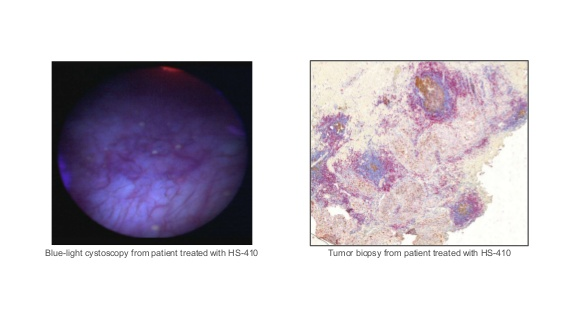
Bacillus Calmette-Guérin (BCG) is an effective biologic therapy widely used in patients with non-muscle invasive bladder cancer. Sanofi recently announced their intent to discontinue BCG production, leaving Merck…
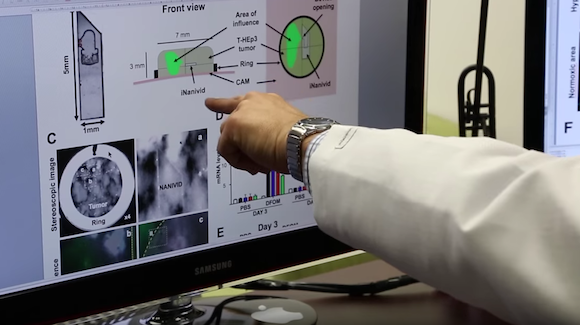
Julio A. Aguirre-Ghiso, PhD, Professor of Medicine, Hematology, and Medical Oncology at the Tisch Cancer Institute Icahn School of Medicine at Mount Sinai, is leading a study on…
Neural networks (a.k.a. deep learning algorithms) can be used to teach computers to distinguish various types of disease via prior analysis of massive amounts of clinical data.
Immunotherapy with newly developed “immune checkpoint inhibitors” has led to striking advances in treatment for aggressive malignancies such as melanoma, non-small cell lung cancer, and renal cell carcinoma.…
New research is helping scientists better understand gene modification’s effects on many forms of bladder cancer. Additionally, results from numerous recent studies seem to foreshadow a change of…
This nano-sensor array might be able to smell cancer, Parkinson's, and other conditions by analyzing your breath, even before your doctor could detect them by other means.