This webinar introduces key updates in acute ischemic stroke management, focusing on how modern decision‑making integrates time‑sensitive evaluation, advanced imaging, and AI‑supported tools. It also reviews the expanded…
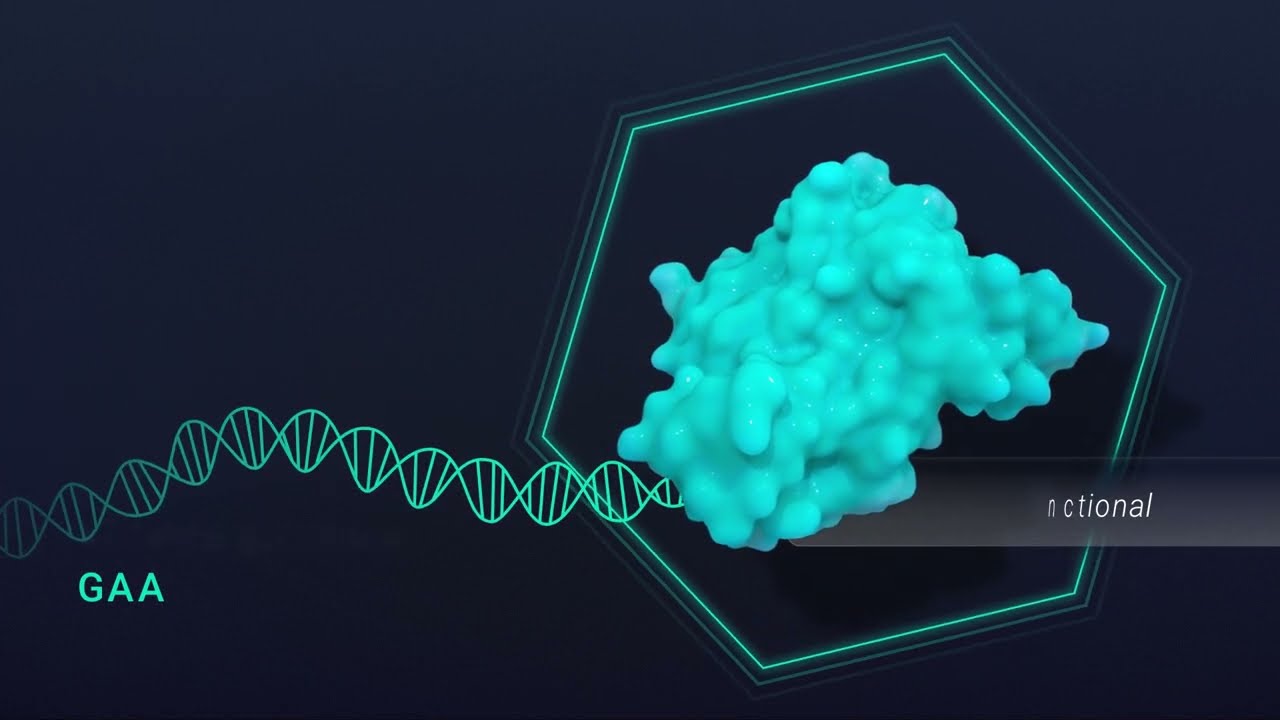
Pompe disease is a rare, life-threatening genetic disorder caused by GAA enzyme deficiency, leading to glycogen buildup and muscle cell destruction. It presents on a spectrum, from infantile-onset…
Traditionally, men have been more likely to be diagnosed with Parkinson disease. However, as people continue to live longer, cases of female patients with PD are becoming more…
Approximately one-third of patients with Huntington’s disease (HD) experience depression. In 21 published case reports where electroconvulsive therapy (ECT) was used to treat depression in patients with HD,…
A recent study published in Lancet Neurology reveals important associations between MSH3 gene mutations and Huntington’s disease progression and disease burden.
Each month we present you with the latest featured study from the research teams at JAMA, Journal of the American Medical Association. Check out the video for intriguing…
“It’s a time of tremendous revolution in Parkinson’s disease,” says Un J. Kang, MD, H. Houston Merritt Professor of Neurology and Chief of the Division of Movement Disorders…
Scoring system developed by UCSD- and UCSF-led research teams may be able to predict an individual's likelihood (and age-specific risk) of developing AD.
John Lehr, CEO of the Parkinson’s Foundation, shares insights into how advances in research, education, and advocacy for patients with Parkinson’s (and the disease itself) is performed and…
Over the last two and a half years, Stanford University researchers have been developing and improving a brain-computer interface (BCI) that allows paralyzed individuals to input data into…