Topical corticosteroids remain a cornerstone of atopic dermatitis care, but steroid phobia and a growing roster of nonsteroidal agents are reshaping how clinicians use them. On this episode…
Exosomes in dermatology are moving closer to a regulatory pathway, and a new remibrutinib label update is changing how clinicians approach symptomatic dermographism. Todd Schlesinger, MD, shares the…
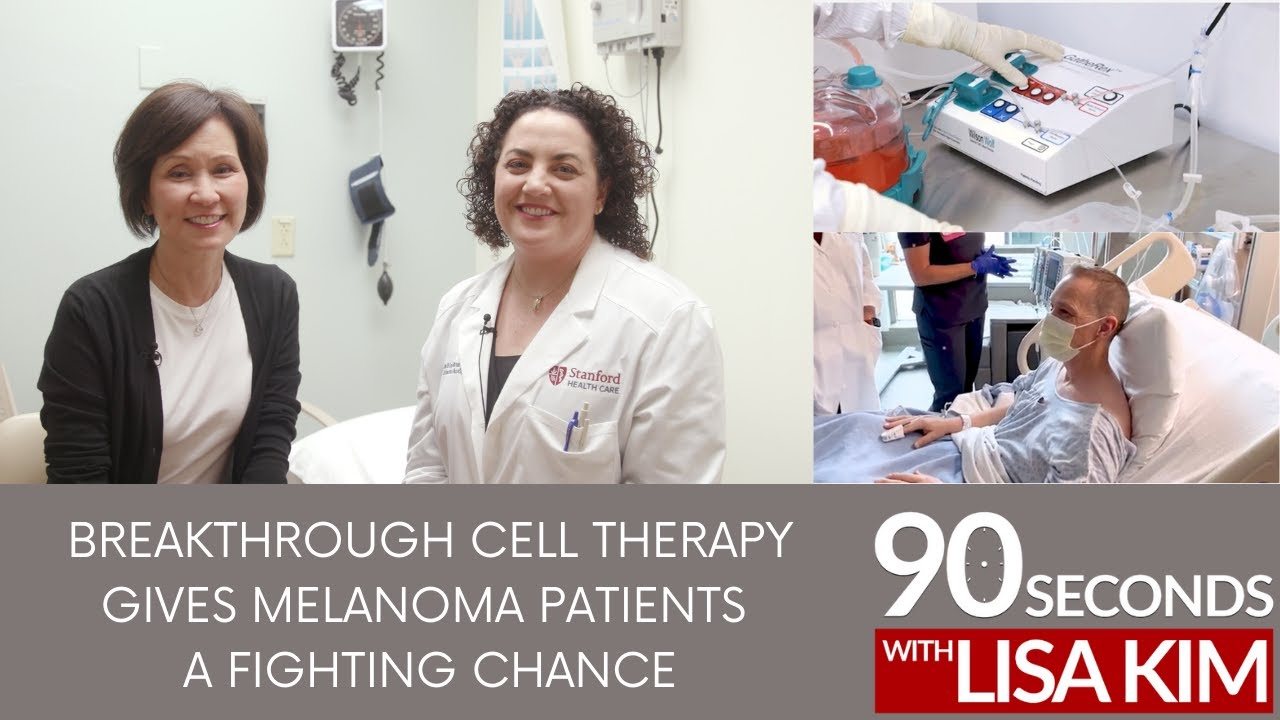
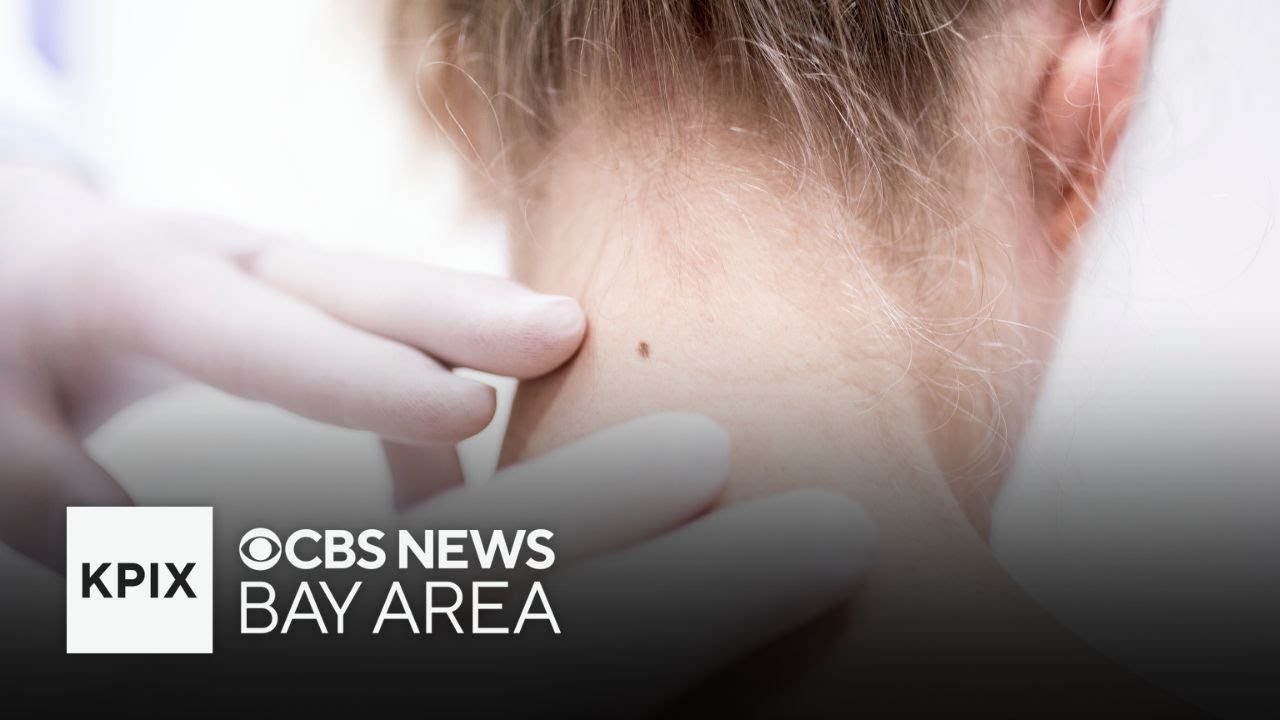
Stanford Cancer Center is offering new hope to melanoma patients through a groundbreaking cellular therapy called tumor infiltrating lymphocyte (TIL) therapy. This is the first approved cellular therapy…
Delve into this review for the USMLE on dermatology, which covers essential conditions and treatments. Topics include vitiligo, tinea versicolor, eczema, contact dermatitis, seborrheic dermatitis, stasis dermatitis, psoriasis,…
Allison Betof Warner, MD from Stanford Healthcare discusses recent advancements in treating advanced melanoma with a newly FDA-approved cell-based therapy. This innovative treatment is designed for patients who…
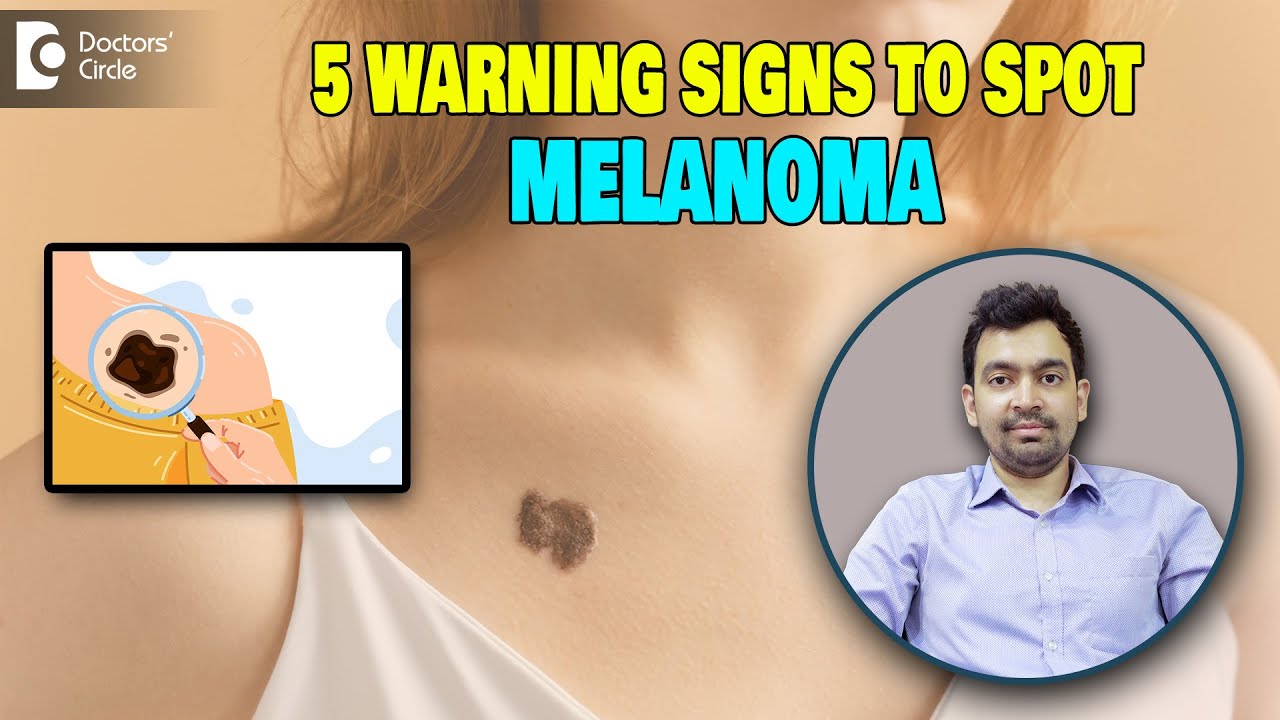
Rajdeep Mysore, MD discusses melanoma, the most dangerous type of skin cancer. Originating from melanocytes, the color-producing cells in the skin, melanomas often appear as black or brown…