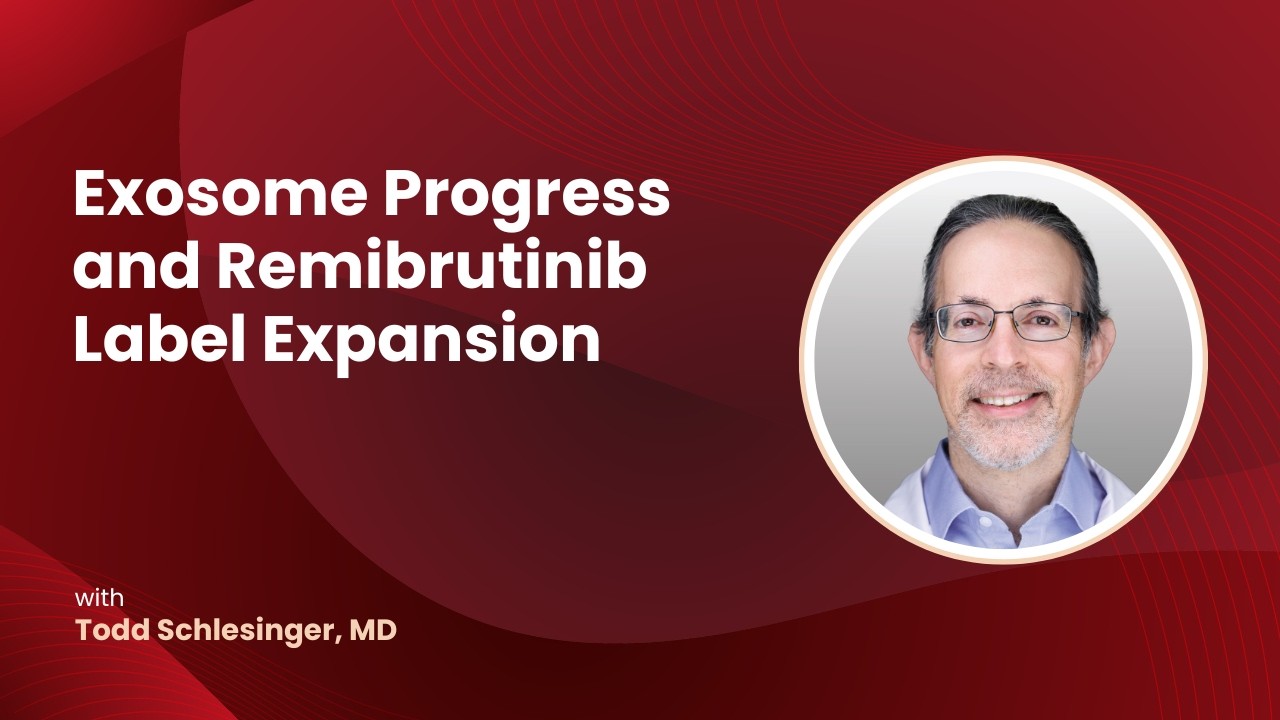
Exosome Progress and Remibrutinib Label Expansion
Exosomes in dermatology are moving closer to a regulatory pathway, and a new remibrutinib label update is changing how clinicians approach symptomatic dermographism. Todd Schlesinger, MD, shares the latest from EADV and his clinical research center.
Schlesinger, a board-certified dermatologist and director of the Clinical Research Center of the Carolinas, reviews new exosome isolation methods, improved characterization of exosome contents, and companies entering the field with investigational new drug applications. He explains why no exosome therapies are currently approved in the United States and how topical, adjunct, and cosmetic use dominates worldwide.
He also discusses remibrutinib for chronic spontaneous urticaria, including early success in patients who have failed second-generation H1 antihistamines, and the newly added symptomatic dermographism indication. Schlesinger raises practical questions about identifying symptomatic dermographism in the clinic.
Finally, he outlines active trials in hidradenitis suppurativa targeting IL-1 and BTK, intralesional cemiplimab for cutaneous squamous cell carcinoma, extended half-life agents for psoriasis and atopic dermatitis, and recent studies in fragile skin and actinic keratosis. Whether you follow exosomes in dermatology or clinical trial pipelines, this update covers what a busy research center is watching, including bruising and field imaging data headed for AAD abstracts next year.