This webinar introduces key updates in acute ischemic stroke management, focusing on how modern decision‑making integrates time‑sensitive evaluation, advanced imaging, and AI‑supported tools. It also reviews the expanded…
Daniel R. Schimmel, MD, explains how balloon pulmonary angioplasty (BPA) uses balloons and specialized catheters to open narrowed vessels in the lungs to improve circulation and reduce symptoms…
Sherry Glied, PhD, Dean, Robert F. Wagner Graduate School of Public Service, New York University, cites research from her book, Better but Not Well, which looks at the changes in…
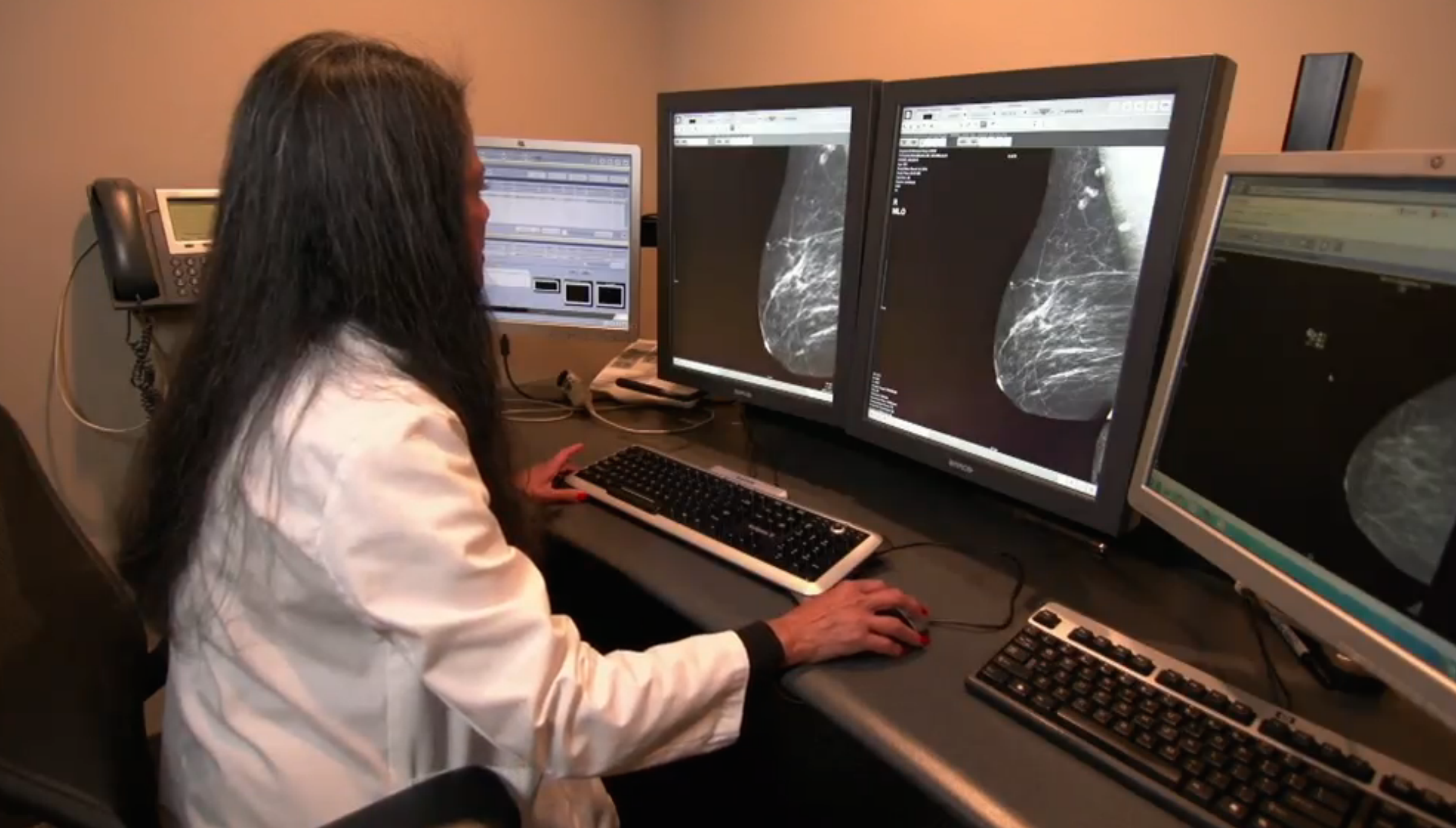
About 40 thousand women die each year of breast cancer in the United States. Mammography screening is one way to detect breast cancer early. However, mammograms have benefits…
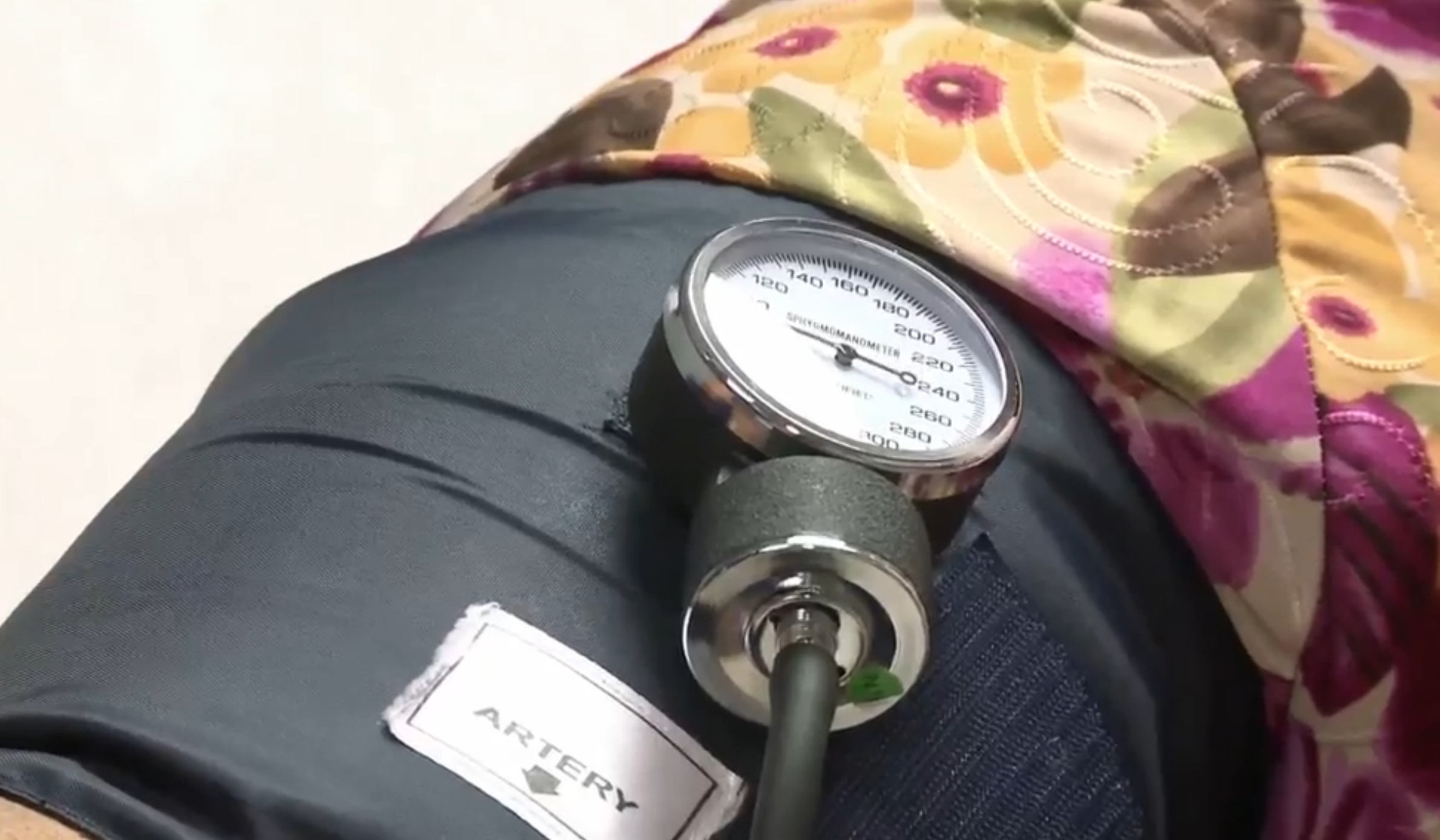
Recently, two major changes were made in the guidelines that recommend how physicians manage high blood pressure in their patients. The changes affect millions of Americans, especially older…
Sherry Glied, PhD, Dean, Robert F. Wagner Graduate School of Public Service, New York University, takes a detailed look at the state of mental illness in the US. She describes…
Sherry Glied, PhD, Dean, Robert F. Wagner Graduate School of Public Service, New York University, explains 5 reasons why healthcare has been slow to change. A variety of factors have…
Today drinking remains highly prevalent among young people, particularly college age students, world-wide. A new study looked at how effective a web-based screening and intervention was for reducing…
Sherry Glied, PhD, Dean, Robert F. Wagner Graduate School of Public Service, New York University, examines the changing landscape of healthcare that has given patients more freedom and information to be…
Every year, more and more graduating medical students are not matching. This is a huge problem not only for these medical students who are without jobs, but also…
The Balanced Budget Act of 1997 capped residency slots at 100,000. As more students graduate from medical school, there are many left unmatched and without the proper training…
Patients with critical illness often experience pain and other stresses that put them at risk for developing psychiatric illnesses. These include anxiety, post-traumatic stress disorder and depression. A…