This webinar introduces key updates in acute ischemic stroke management, focusing on how modern decision‑making integrates time‑sensitive evaluation, advanced imaging, and AI‑supported tools. It also reviews the expanded…
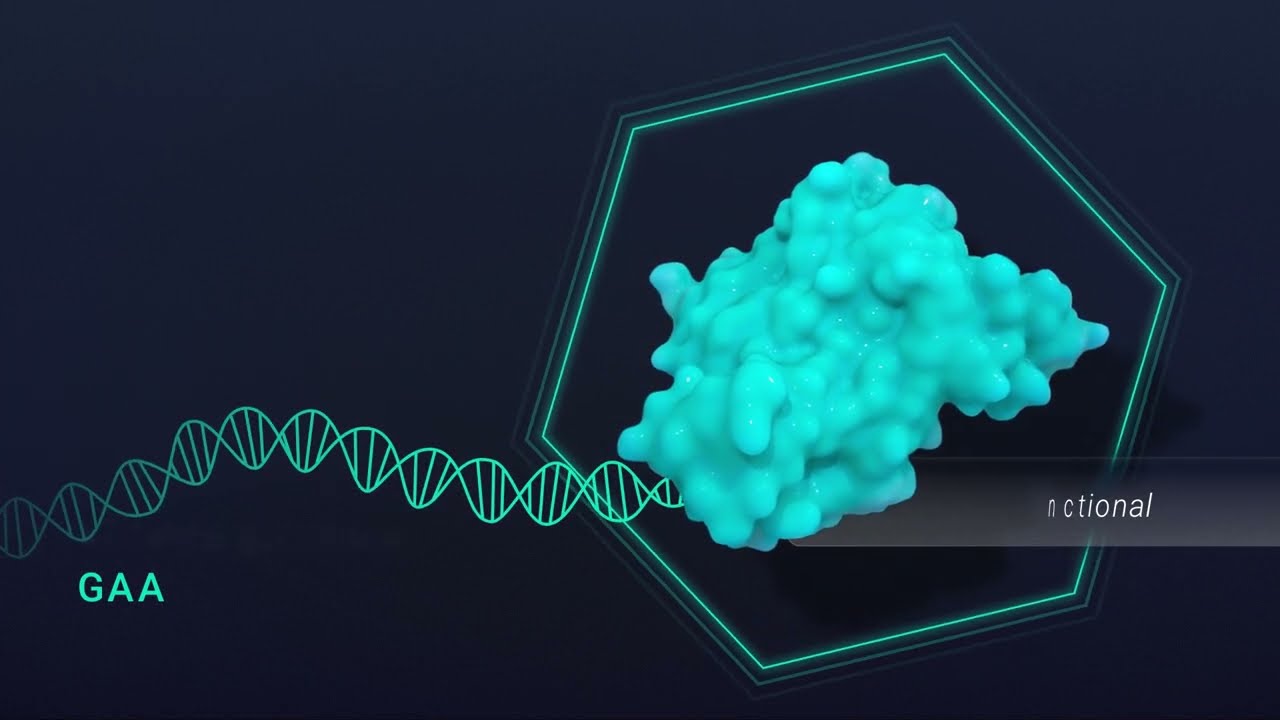
Pompe disease is a rare, life-threatening genetic disorder caused by GAA enzyme deficiency, leading to glycogen buildup and muscle cell destruction. It presents on a spectrum, from infantile-onset…
NEW YORK (Reuters Health) – The question of when to resume warfarin therapy after a patient has an intracranial hemorrhage is answered in the December issue of Stroke.…
NEW YORK (Reuters Health) – Very elderly patients, perhaps up to 100 years old, with acute ischemic stroke benefit from timely thrombolytic therapy to the same degree as…
NEW YORK (Reuters Health) – Chronic Chagas disease in the elderly doubles their risk of dying from a stroke, and the risk is increased further in those with…
NEW YORK (Reuters Health) – The common practice of routinely testing patients with ischemic stroke for inherited thrombophilias can do more harm than good, according to a new…
Michael J. Manos, MD, PhD, Head of the Center for Pediatric Behavioral Health, Children’s Hospital, Cleveland Clinic, discusses ADHD and describes some of the benefits of having this…
NEW YORK (Reuters Health) – In terms of efficacy and safety, low-molecular weight heparin is better than unfractionated heparin in the treatment of patients presenting with cerebral venous…
NEW YORK (Reuters Health) – Among patients undergoing left atrial radiofrequency catheter ablation for treatment of paroxysmal or persistent atrial fibrillation, the risk of symptomatic cerebral thromboembolism is…
NEW YORK (Reuters Health) – For patients with significant carotid artery stenosis, undergoing carotid artery stenting (CAS) carries a higher risk of death or stroke than does carotid…
NEW YORK (Reuters Health) – Deep brain stimulation, of either the globus pallidus or subthalamic nuclei, can provide long-lasting improvement in motor symptoms in many patients with Parkinson’s…